Japan’s Top Summer Festivals for 2026: Tohoku’s Big Four Lead the Way
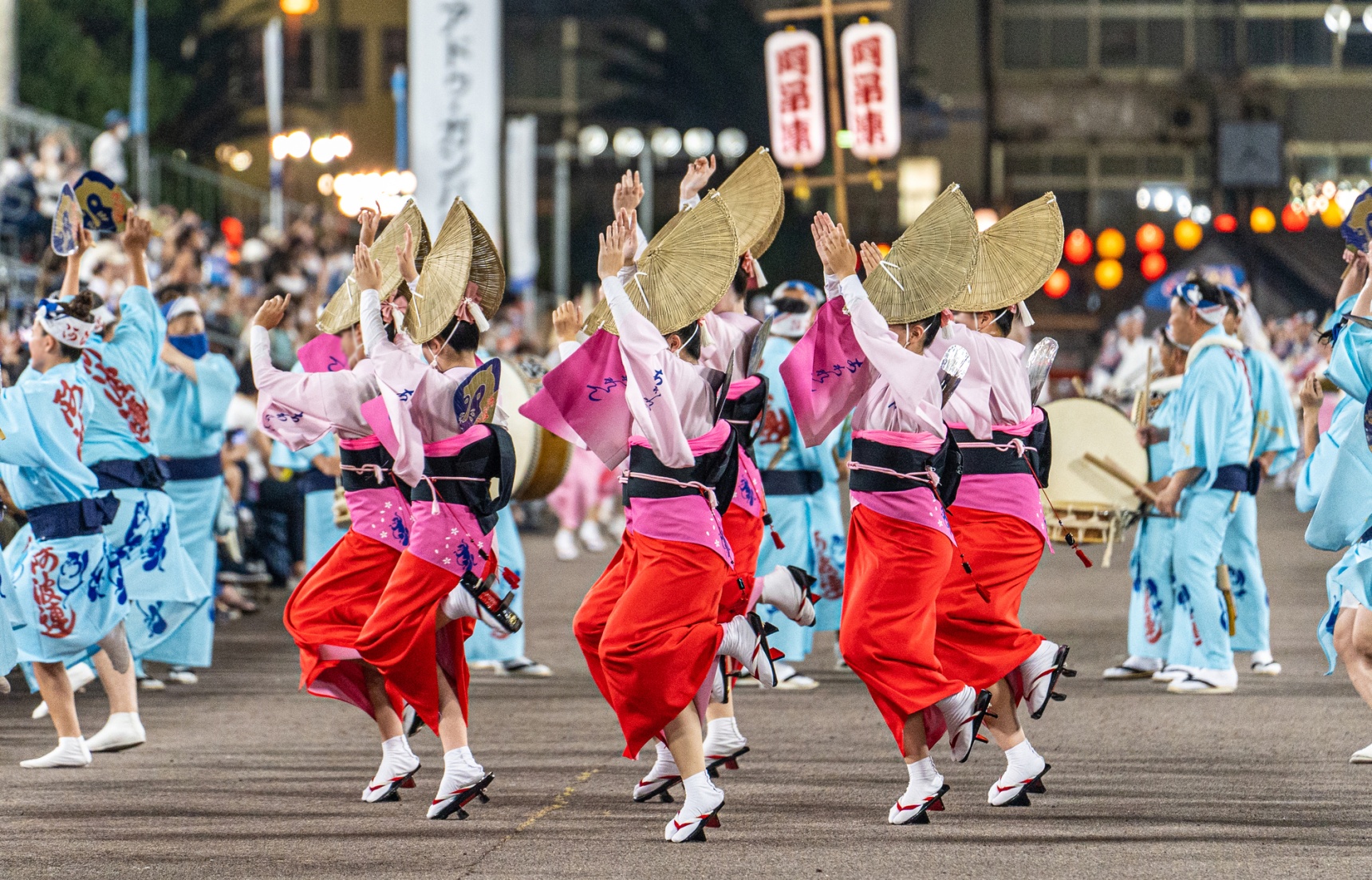
Lanterns, taiko drums, whirling dancers, and bonfires on mountain slopes. Summer festival season is almost here, and this year’s ranking tells you exactly where to be.
By AAJ Editorial TeamEvery summer, Japan transforms. Streets that spend the rest of the year in quiet routine suddenly fill with the thunder of taiko, the blaze of illuminated floats, and the kind of communal energy that is impossible to manufacture and impossible to forget. The question is always the same: where to go?
Travel agency Hankyu Travel has released its Japan Summer Festival Ranking, based on actual bookings for festival tours it operates in 2025. Tohoku’s Big Four Summer Festivals took the top spot for the second consecutive year, with Tokushima’s Awa Odori and the ethereal Owara Kaze no Bon of Toyama Prefecture among the distinctive festivals rounding out the top ranks.
The full ranking:
1. Tohoku Big Four Summer Festivals (Aomori, Akita, Yamagata, Miyagi Prefectures)
2. Awa Odori (Tokushima Prefecture)
3. Owara Kaze no Bon (Toyama Prefecture)
4. Gion Matsuri (Kyoto Prefecture)
5. Yosakoi Festival (Kochi Prefecture)
6. Goshogawara Tachineputa (Aomori Prefecture)
7. Morioka Sansa Odori (Iwate Prefecture)
8. Gozan Okuribi (Kyoto Prefecture)
9. Hirosaki Neputa Festival (Aomori Prefecture)
Four Festivals, One Unforgettable Week in Tohoku
At the top spot for the second year running is the Tohoku Big Four Summer Festival circuit–a two-week window in which four of Japan’s greatest festivals take place in four different cities across the same region, close enough that the dedicated can catch them all.
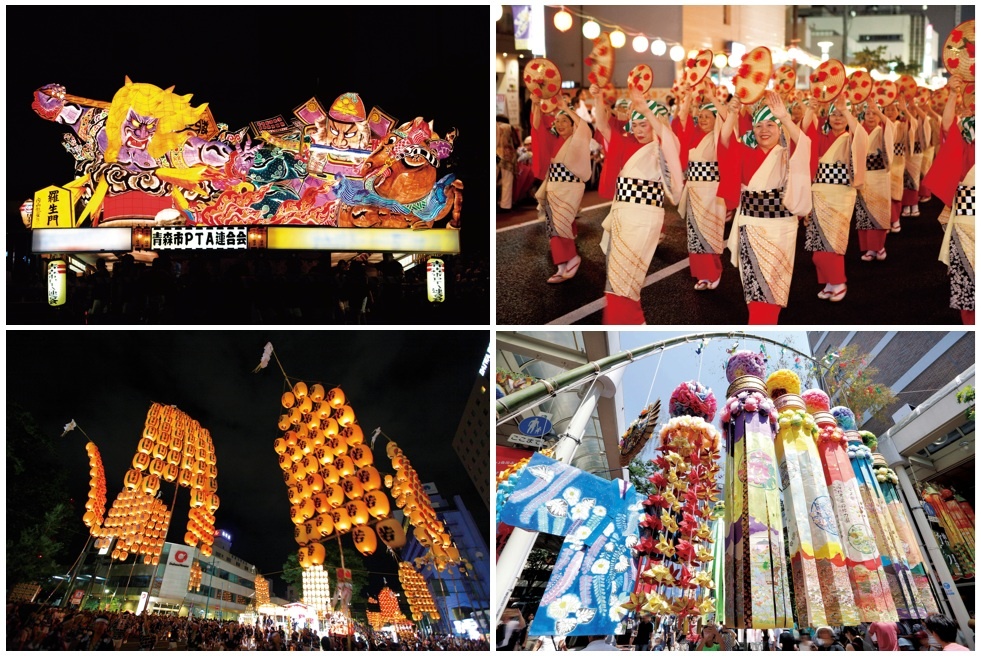
Aomori Nebuta Matsuri brings colossal illuminated floats of Nebuta parading through the night–warrior figures and mythological scenes rendered in washi paper and light, some standing several meters tall. Akita Kanto Matsuri is a festival of breathtaking balance: performers tilt tall bamboo poles hung with dozens of paper lanterns using only their foreheads, shoulders or the palms of their hands. Yamagata Hanagasa Matsuri fills the streets with dancers wearing vivid flower-decorated straw hats. And Sendai Tanabata Matsuri transforms the city into a swaying corridor of elaborate streamers and paper decorations for the star festival.
Dedicated paid viewing areas have expanded in recent years, driving demand for tours that offer comfortable vantage points. Nebuta in particular has drawn attention for premium seating options that make for a genuinely special experience.
2026 Dates:
• Aomori Nebuta Matsuri: August 2–7
• Akita Kanto Matsuri: August 3–6
• Yamagata Hanagasa Matsuri: August 5–7
• Sendai Tanabata Matsuri: August 6–8
Awa Odori Reinvents Itself
Second place goes to Awa Odori, Tokushima Prefecture’s legendary dance festival–and one that has spent the last year reinventing itself for a new era.
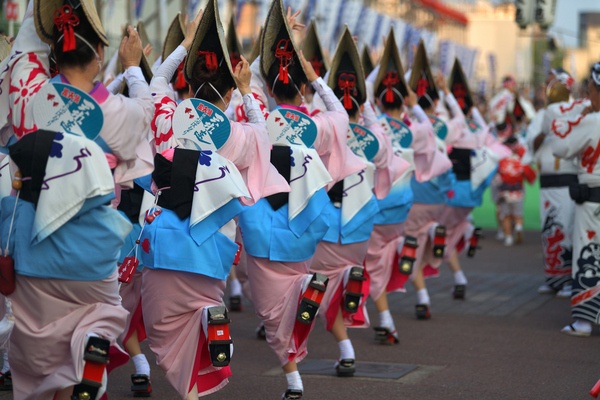
With more than 400 years of history, it is one of Japan’s definitive summer dance festivals. But from 2025, the event was relaunched under the umbrella name THE AWAODORI, with renewed attention on stage production and the overall audience experience.
Stage performances by select dance troupes—including the showcase event Yume no Butai Matsuri-bi and the opening event Takumi no Butai Masari-bi—have drawn growing crowds alongside the traditional street dancing.
At the downtown performance venues, visitors can feel the dancers’ energy and the percussion in your chest. The moment the crowd is swept up into the rhythm alongside the performers is pure Awa Odori, and can’t be replicated anywhere else.
2026 Dates: August 11–15
A Festival That Feels Like a Dream
Third place belongs to Owara Kaze no Bon, held in Toyama Prefecture–and it could not be more different from anything else on this list.
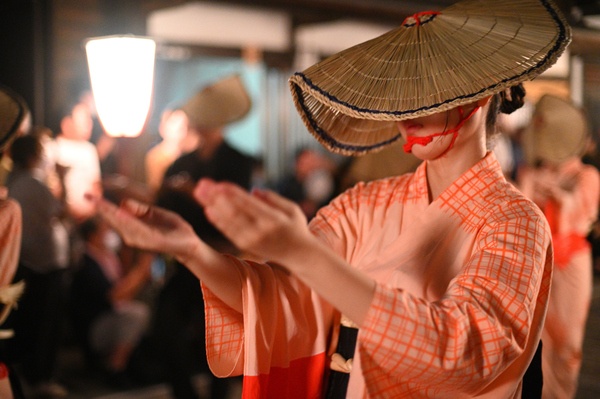
Where most summer festivals announce themselves with noise and spectacle, Owara Kaze no Bon arrives quietly. Dancers in amigasa (woven straw hats) drift silently through the lanes of the town to the melancholy strains of kokyu fiddle and shamisen, their faces half-hidden, their movements slow and deliberate.
Soft lantern light catches the folds of yukata in the dark. The music carries a quietly aching beauty that is hard to describe and even harder to forget.
It is the rare festival that moves people as much as it entertains them, and its reputation as Japan’s most atmospheric summer gathering has never been higher.
2026 Dates: September 1–3.
Kyoto’s Two Unmissable Summer Rituals
Two of Kyoto’s most celebrated traditional events also made the ranking—each defining the city at a different point during the summer.
Gion Matsuri (4th place) is the month-long festival of Yasaka Shrine, built around the spectacular Yamaboko Junko float procession. For the whole of July, the city is consumed by festival fever.
2026 Dates: July 1–31
Yamaboko Junko procession: July 17 (Saki Matsuri — the first procession) / July 24 (Ato Matsuri — the second)
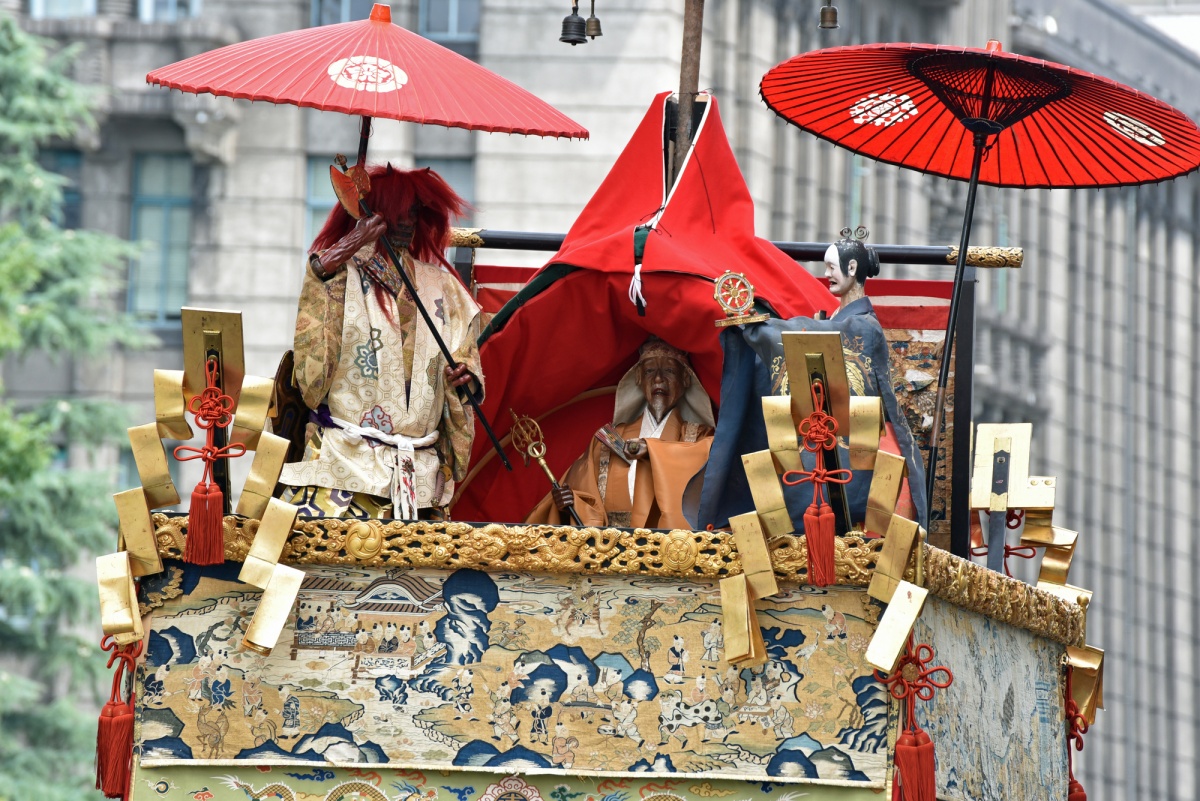
Gion Matsuri, Yamaboko Junko procession (pixta.jp)
Gozan Okuribi (8th place), by contrast, is a quiet farewell to summer. The sight of giant bonfires—shaped as kanji characters and torii gates—burning on the mountains around Kyoto at night is one of the most iconic images of Japan’s festival calendar.
2026 Date: August 16
Where Tradition and Street Energy Collide
Yosakoi Festival in Kochi Prefecture (5th place) operates by its own rules–and that is precisely the point.
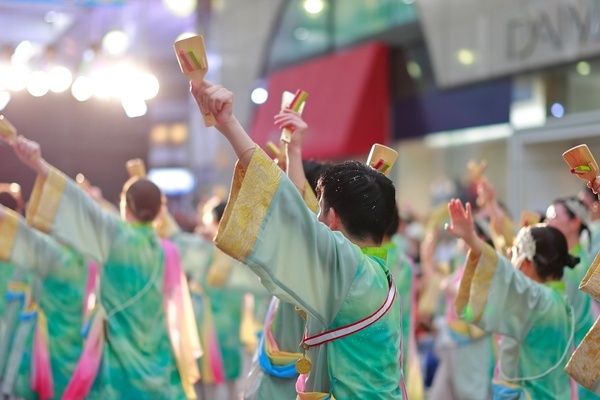
Roughly 18,000 performers in vivid costumes race through the streets snapping naruko (wooden clappers), in a free-form style that blends traditional melodies with contemporary music and choreography. Unlike most festivals, you don’t need a ticket or a seat—spontaneous performances can ambush you anywhere in the city at any time.
2026 Dates: August 9–12
(Preview Night: 9th / Main event: 10th–11th / National competition & Closing Night: 12th)
DATA
• Hankyu Travel “Japan Summer Festival Ranking”
• Scope: Summer festival tours operated July 1–September 30, 2025
• Method: Total number of tour bookings
• Published: May 28, 2026
• Official website: https://www.hankyu-travel.com/