Top 6 Castles Around Tokyo
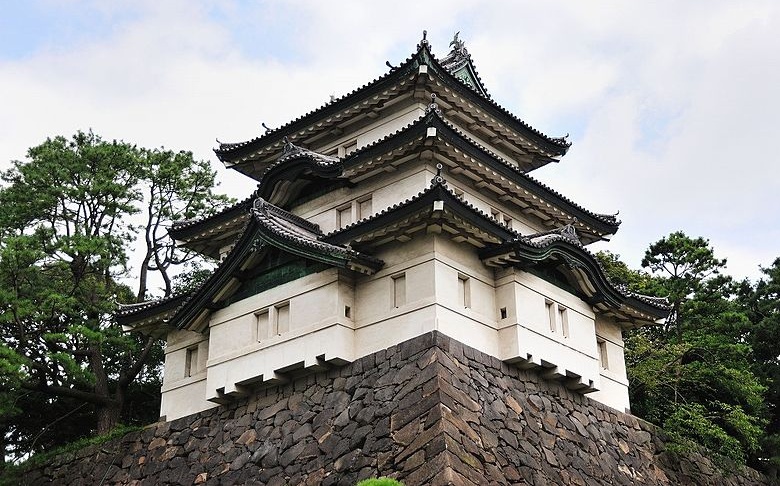
Japan is full of castles, but only 12 so-called “original construction” castles—those with keeps dating back to the 13th to 17th century—can still be seen today. Many of the others can only be identified by their walls or even just their foundations, though a number of keeps were reconstructed in the 20th century to recall their glory days.
By Michael Kanert1. Matsumoto Castle (Matsumoto, Nagano)
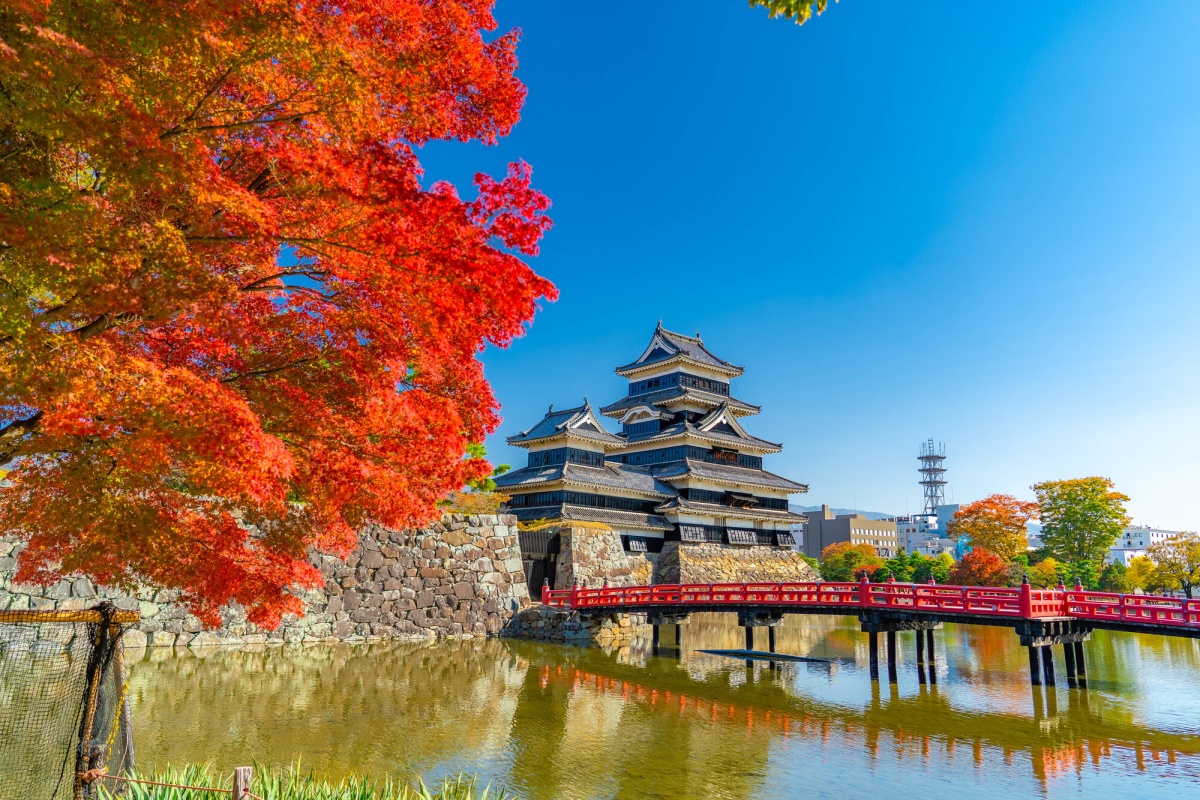
By some accounts second only to Himeji Castle, Matsumoto Castle is among the most outstanding castles in Japan. It was originally named Fukashi Castle when construction was begun in 1504 under Shimadachi Sadanaga of the Ogasawara Clan. But the castle was attacked and captured by Takeda Shingen in 1550, and following the defeat of the Takeda Clan by Oda Nobunaga in 1582, the castle changed hands a number of times before finally falling under the control of supporters of Toyotomi Hideyoshi, who renamed the former Takeda bastion Matsumoto Castle.
The castle was completed in its current form under Ishikawa Kazumasa and his son Yasunaga, Hideshoshi's retainers, somewhere between 1593 and 1594. Consisting of a main keep, or donjon, as well as an interconnected secondary keep and three ancillary towers, it came to be nicknamed the Crow Castle (Karasu-jo) due to its black exterior, becoming the seat of the Matsumoto Domain under the Tokugawa Shogunate.
After the fall of the shogunate, local preservation efforts managed to save the castle from demolition in the 1870s, and it has now been designated a National Treasure. Matsumoto Castle represents the closest original-construction castle to Tokyo, and its 30-meter-high (98-ft), five-tiered, six-storied central donjon is among of the oldest in Japan. The second floor of the donjon features a gun museum with a collection of guns, armor, and other weapons, while the purely aesthetic Moon Viewing Tower (Tsukimi Yagura), built during more peaceful times around 1633, offers a rare contrast to the other towers' martial style of construction.
Matsumoto is roughly two-and-a-half hours from Shinjuku Station via the Super Azusa Limited Express on the Chuo Line, and the castle is about a 15-minute walk northeast from Matsumoto Station. It's a little further out than any of the other castles on this list, and it is undisputedly worth it.
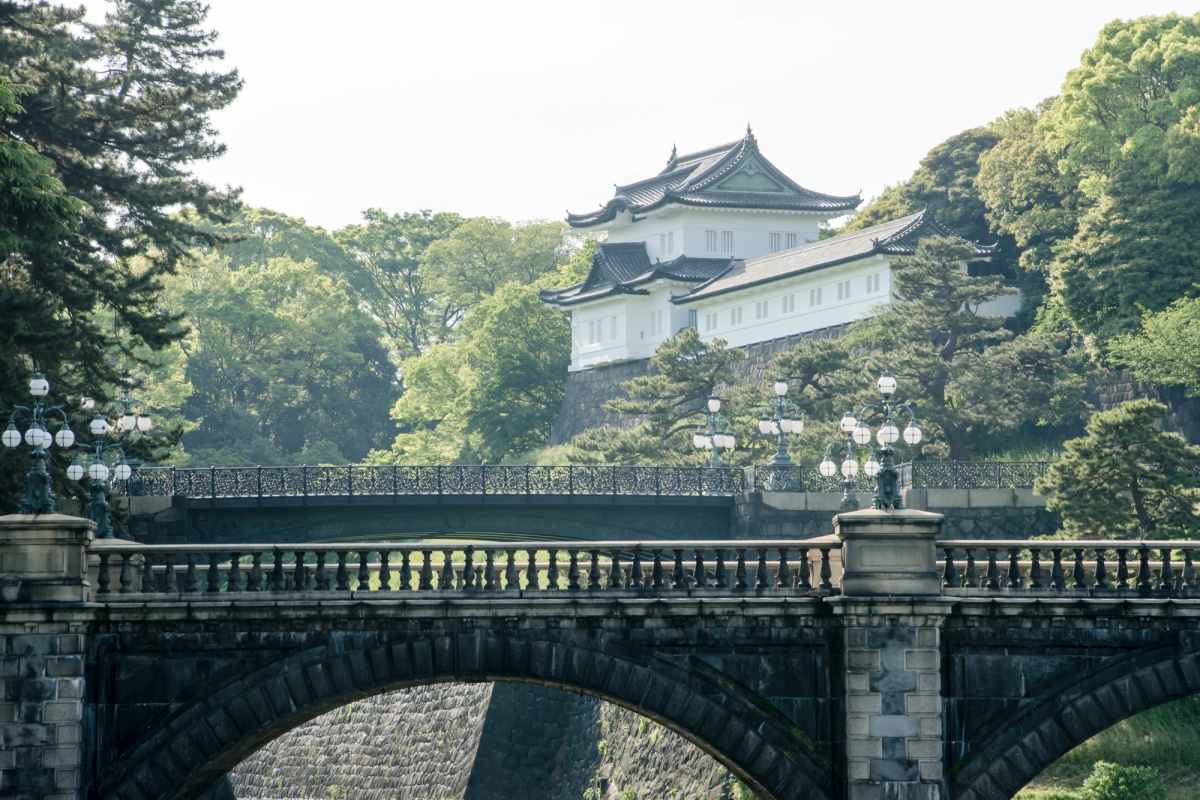
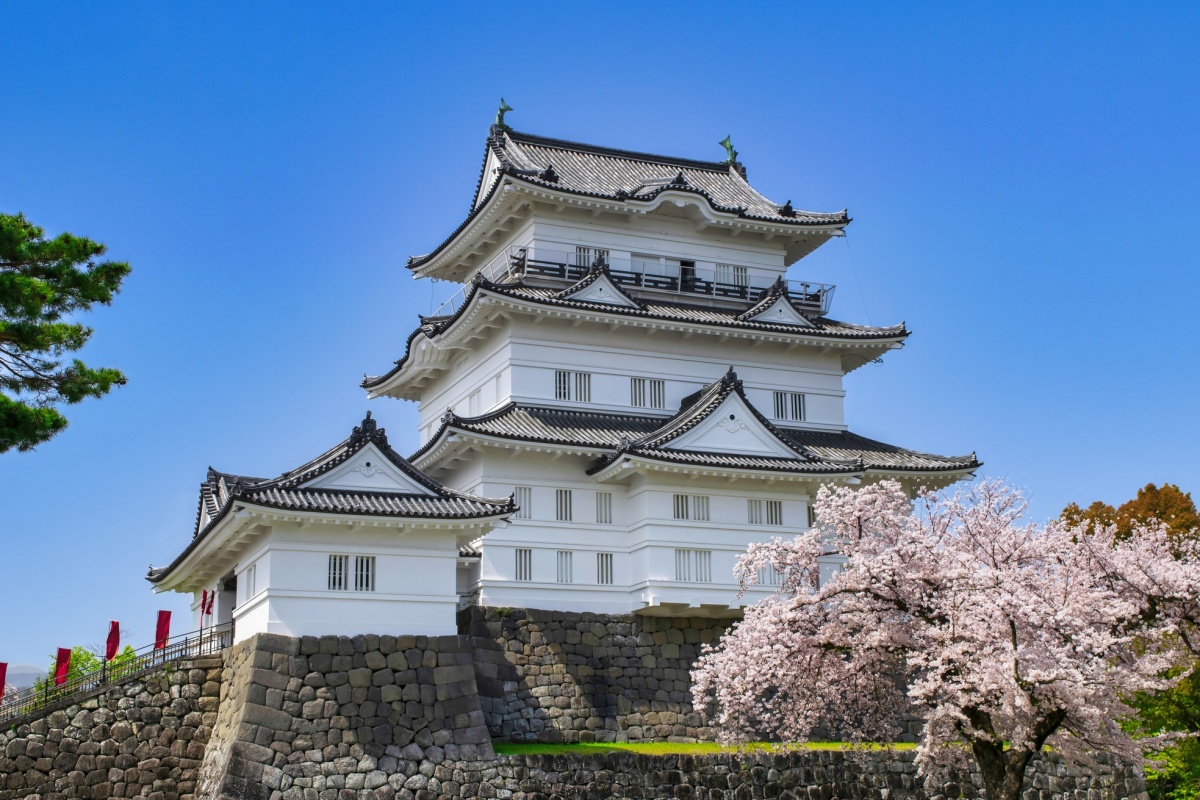
4. Kanayama Castle (Ota, Gunma)
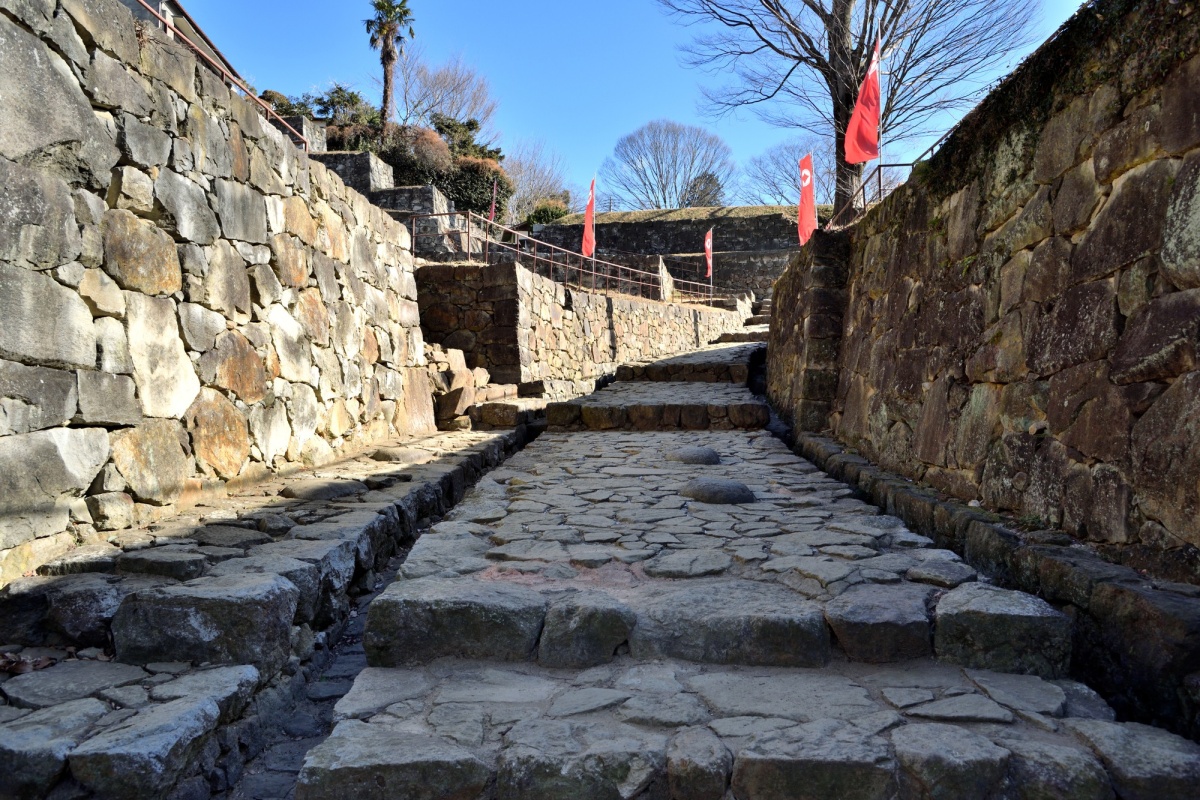
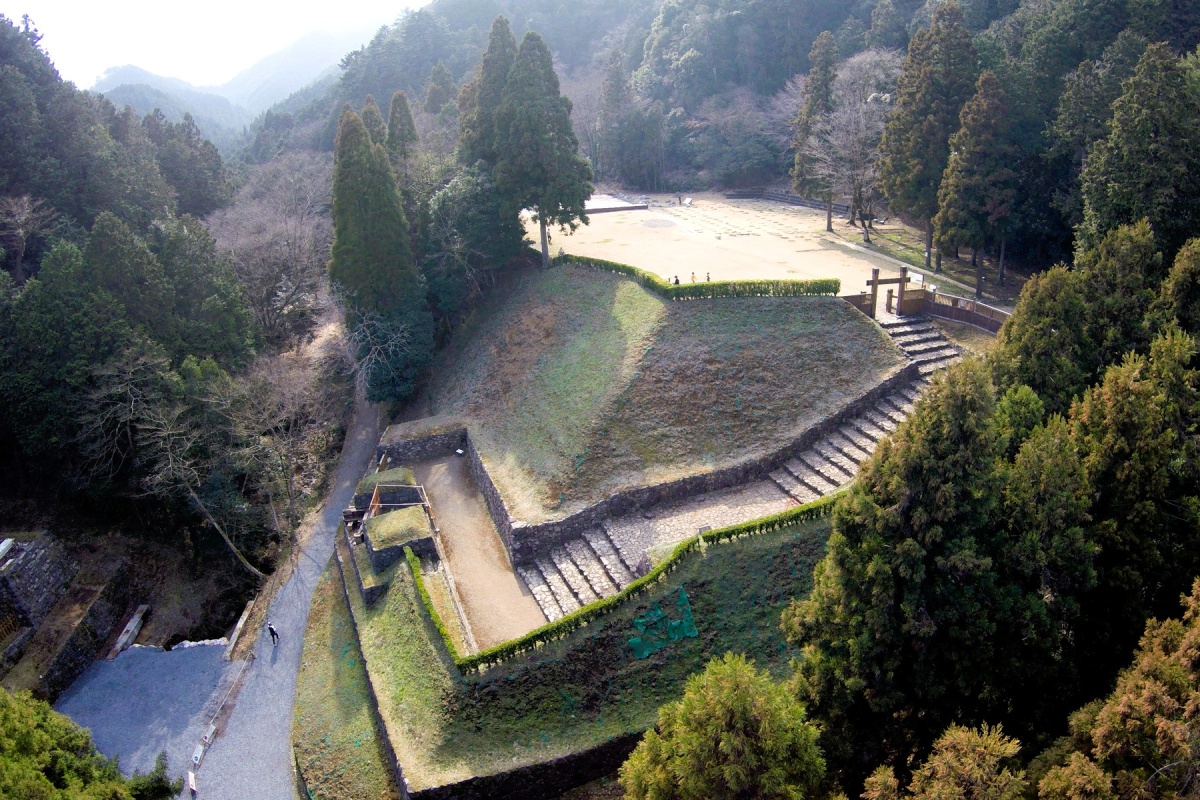
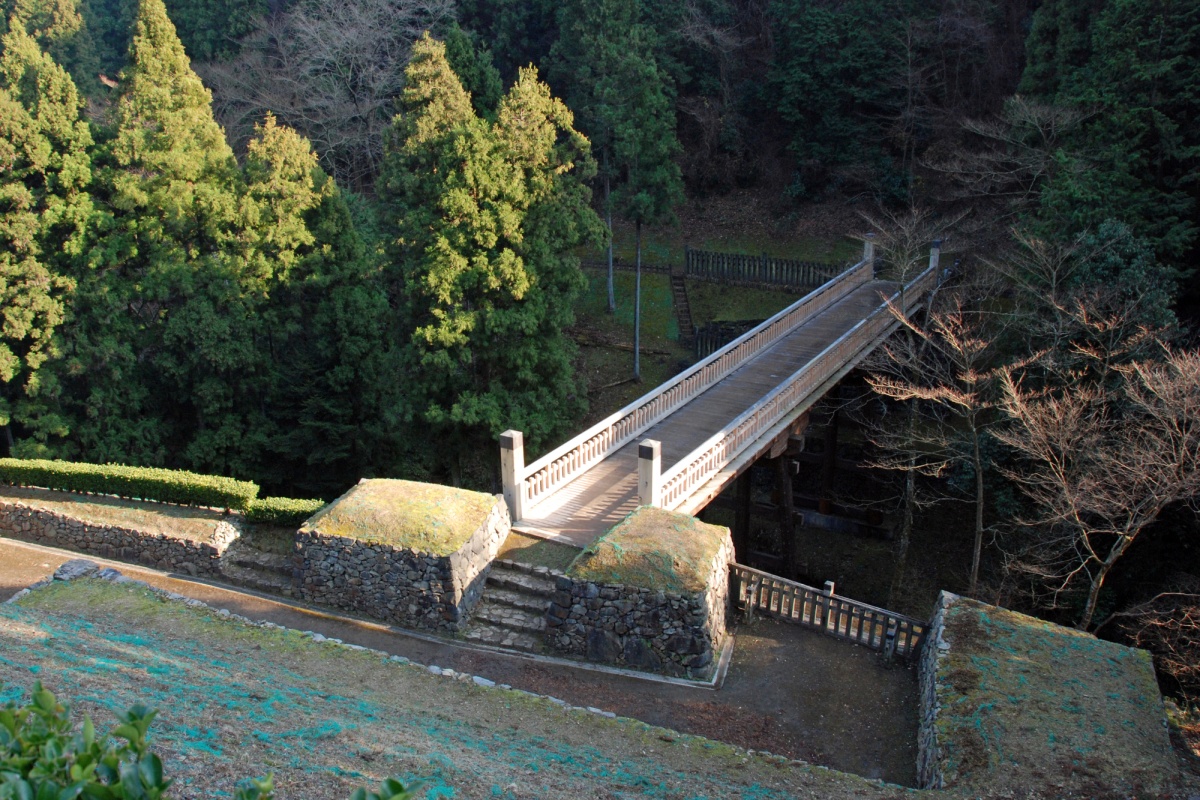
Kanayama Castle in Ota City, Gunma, was constructed by Iwamatsu Iezumi in 1469. Built atop the rugged terrain of a 239-meter (784-ft) mountain, it withstood a number of fierce attacks in the 16th century. But when its lords were captured by the Hojo Clan in 1584, it was turned over in exchange for their release, and the castle was subsequently decommissioned when the Hojo fell from power in 1590.
While the site is now only a ruin, it's well maintained and extensively signposted in Japanese. The Ote Koguchi (the main entrance to the castle, pictured), the Hi-no-Ike (Sun Pond) and the Tsuki-no-Ike (Moon Pond) have now been reconstructed, and the site is used as a park.
Ota City can be reached in about an hour from Kita-Senju Station, and the castle is about 4 kilometers (2.5 miles) north of Ota Station. Unfortunately, none of the local bus services head to the castle, so you'll either have to walk or take a taxi from the north side of the station.
5. Kawagoe Castle's Honmaru Goten (Kawagoe, Saitama)
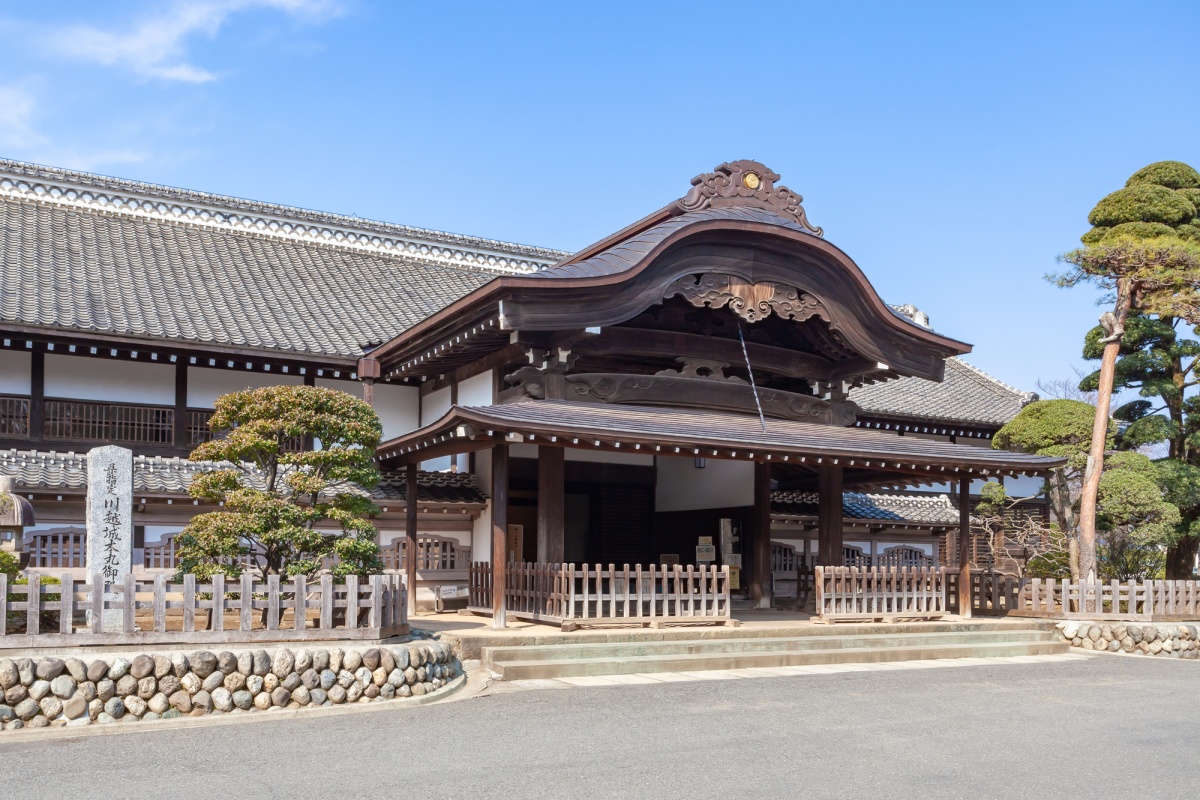
Kawagoe Castle was founded in 1457 by Ota Doshin and his son Ota Dokan, who also built Edo Castle. Kawagoe Castle fell to the Hojo Clan in 1537, who then lost it to Toyotomi Hideyoshi when he attacked the region in 1590. It then passed from Toyotomi to Tokugawa Ieyasu, who would ultimately go on to establish the centuries-long Tokugawa Shogunate.
Kawagoe was important as both a trade city and a strategic defensive point north of Edo (Tokyo), the Tokugawa's base of power. While the city remains a mecca for historical structures from this period, the castle itself was dismantled beginning in 1870 following the Meiji Restoration.
All that remains today is the Honmaru Goten, the entrance and main hall used as waiting rooms for feudal lords, constructed in 1848. Featuring a garden and spacious tatami rooms, the structure remains significant as one of the very few remaining palaces from Japan's feudal period, and the closest castle to Tokyo that's open to the public.
Be sure to check holidays before visiting, as the Honmaru Goten tends to be closed on non-holiday Mondays and every fourth Friday.
(Photo by Japanese Wikipedia user Twilight2640, CC 表示-継承 3.0)
The Tokyo area is full of shopping, nightlife and restaurants. While it’s not especially hard to find a shrine or temple squeezed in among the city streets, the area's flat, open ground made it a terrible choice for a defensive military position until Tokugawa Ieyasu made it his center of government early in the 17th century.
So what’s a Tokyo-based castle lover to do? Just look a little further out into the greater Tokyo area! Right next door, Chiba Prefecture is filled with the remains of a dozen castles (admittedly, all ruins or reconstructions), and there are at least six castles perfectly accessible from Tokyo that can more than slake your thirst for the days of the samurai.