
Meet the Queen of Robot Entertainment
Behind the bright lights and massive robots at this popular tourist spot is a female president who’s been there from the very beginning.


Behind the bright lights and massive robots at this popular tourist spot is a female president who’s been there from the very beginning.

It's no secret that transportation in Japan is expensive. With the trend of low-cost carriers (LCC) spreading all over the world, there are now more choices for cheap domestic flights. Here are some of the major LCCs that fly across Japan.

As Japan prepares for the 2020 Olympic Games, many new facilities are being built, more signs are appearing in different languages and more tourist-friendly facilities are popping up. Let's take a look at one such service, Travel Hub Mix.
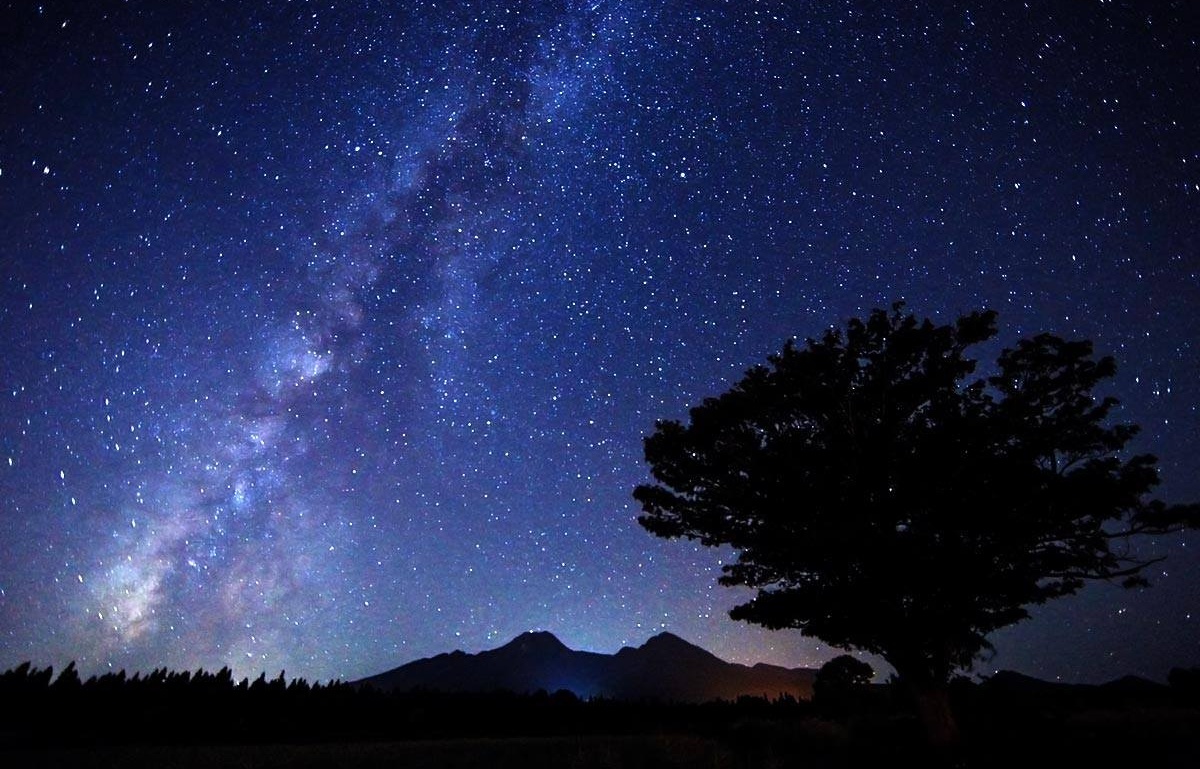
Just because the sun goes down doesn't mean there's nothing left to enjoy in a national park. Whether on a lonely beach or a mountain plateau, reduced light pollution often offers a brilliant chance to glimpse a once-in-a-lifetime night view!
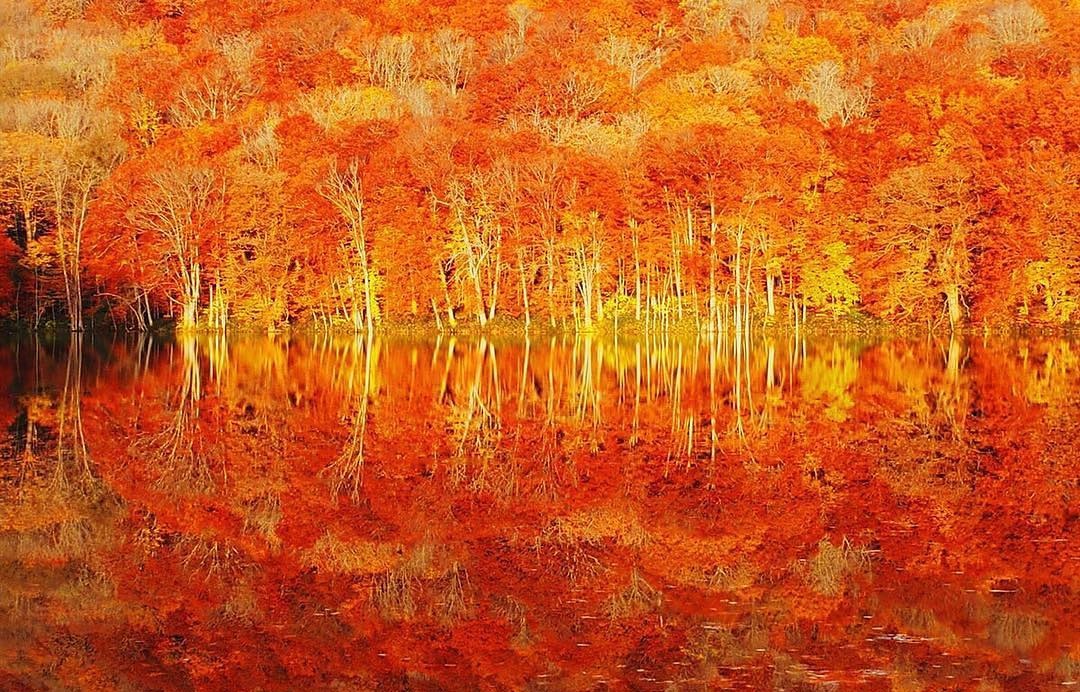
When autumn comes to Japan, there's no better place to see it than the nation's national parks. One look at these 10 picturesque spots and we're sure you'll agree!
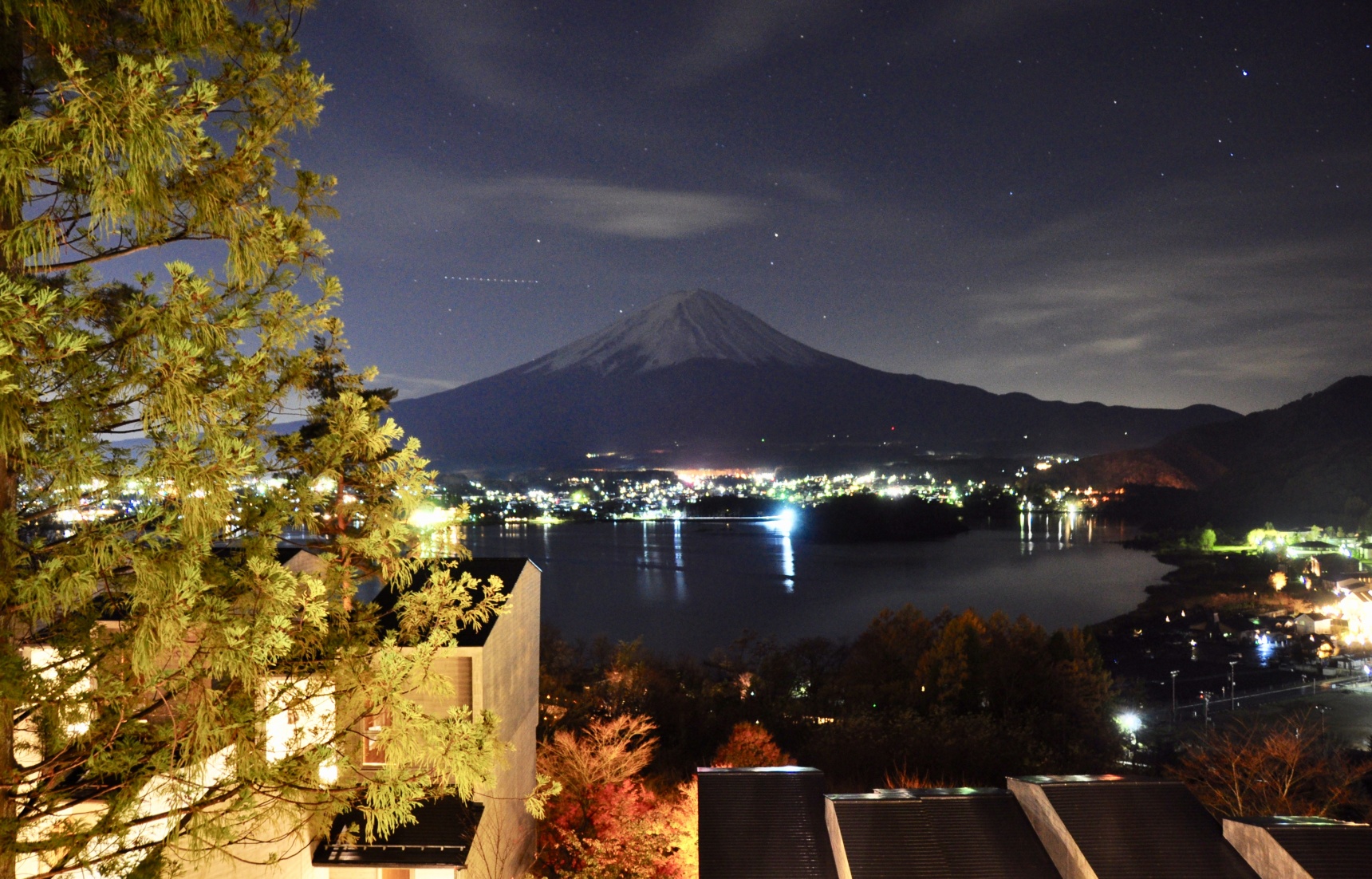
Don't be fooled by Hoshinoya Fuji's claim to be a 'glamping' resort. This is nothing less than the height of luxury in the woods!
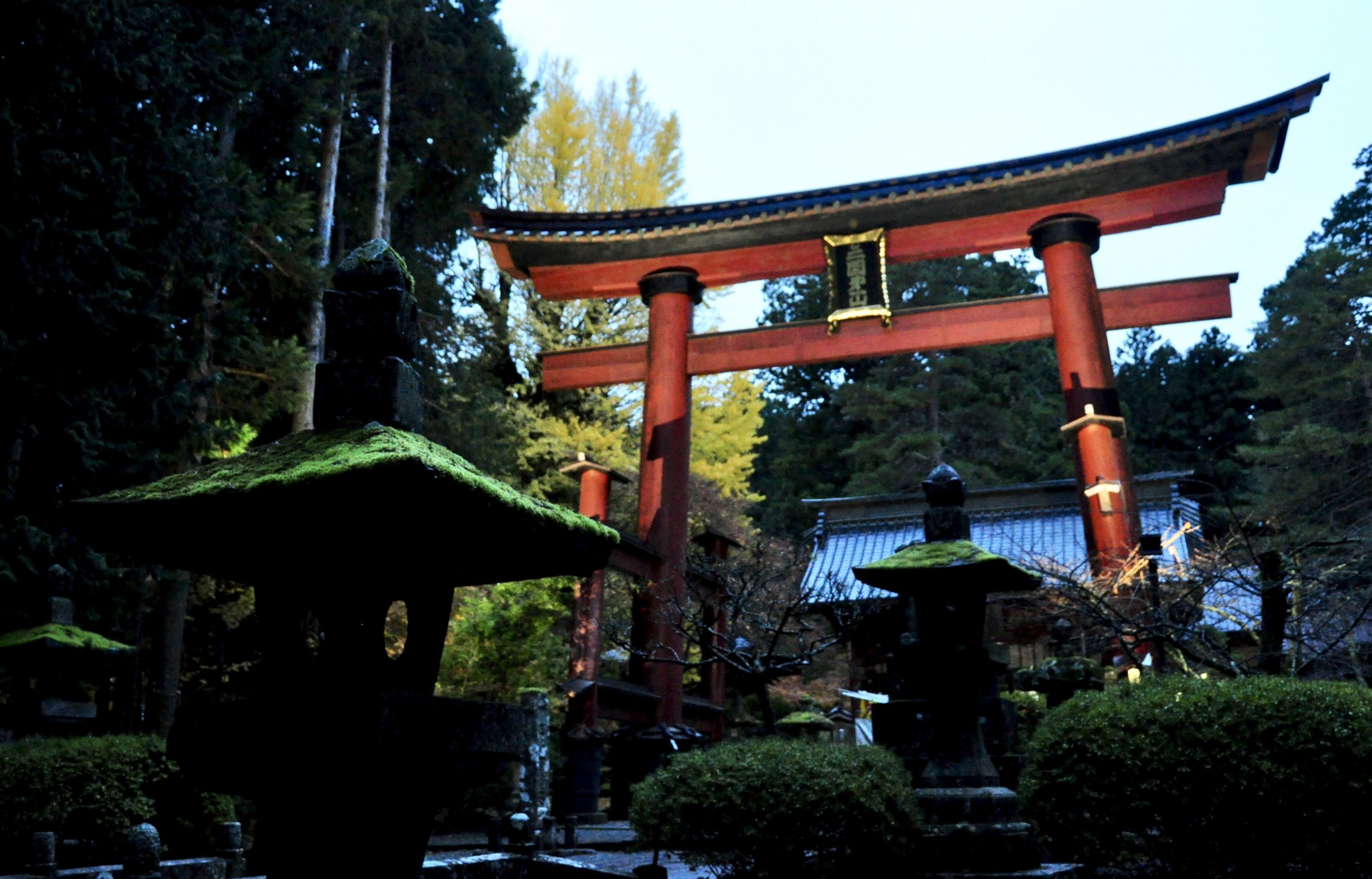
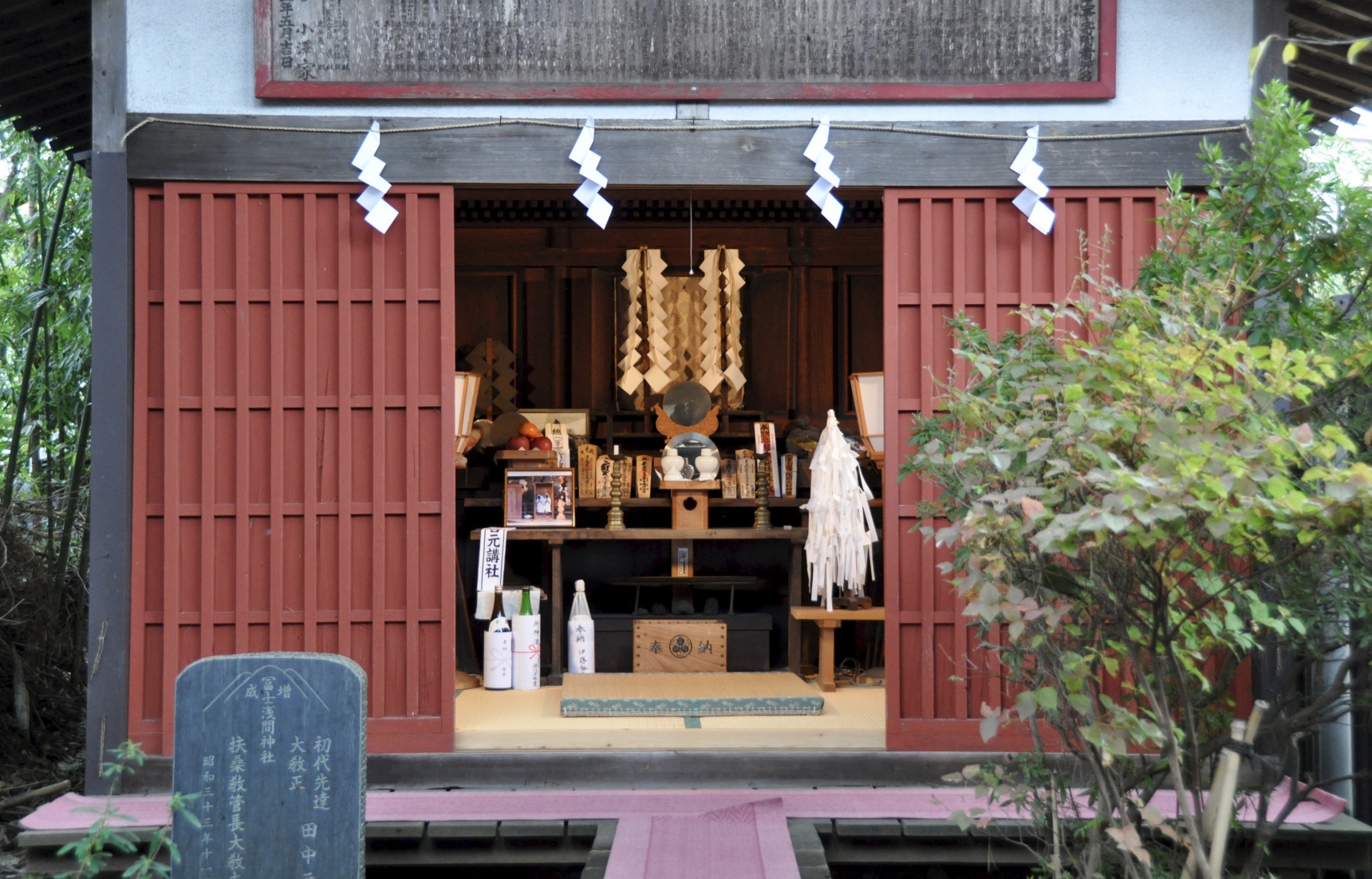
Said to date all the way back to the year 110, Kitaguchi Hongu Fuji Sengen Shrine marks the entrance to the Yoshidaguchi climbing trail on the north side of Mount Fuji.
With a history of some 400 years, Zuzuya is one of only two pilgrim's lodgings in Kamiyoshida still offering rooms to Fuji worshippers preparing to climb their sacred mountain. It's also a great spot to make an ink talisman from an Edo Period wood block!


