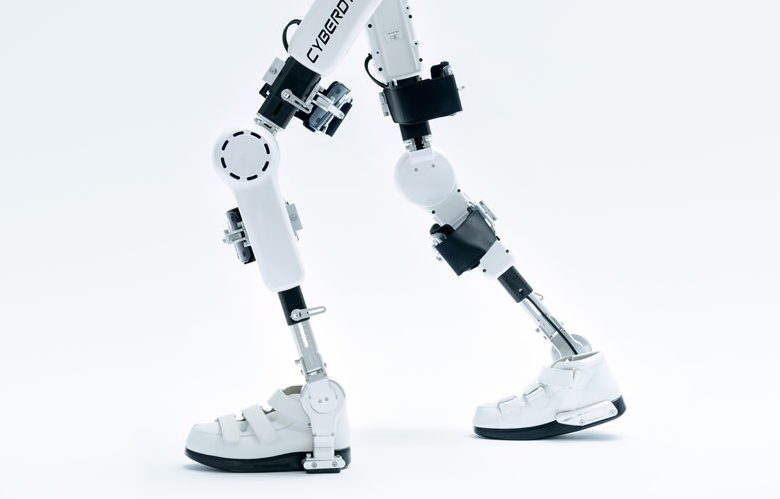
The Amazing Wearable Robot
The world's first wearable robotic device for medical and wellness applications was developed by a professor at the University of Tsukuba.


The world's first wearable robotic device for medical and wellness applications was developed by a professor at the University of Tsukuba.

10 cities around the country were selected to host ministerial meetings surrounding the 2016 G7 Summit in Ise-Shima. From education to IT and agriculture, each was selected for a very specific reason!
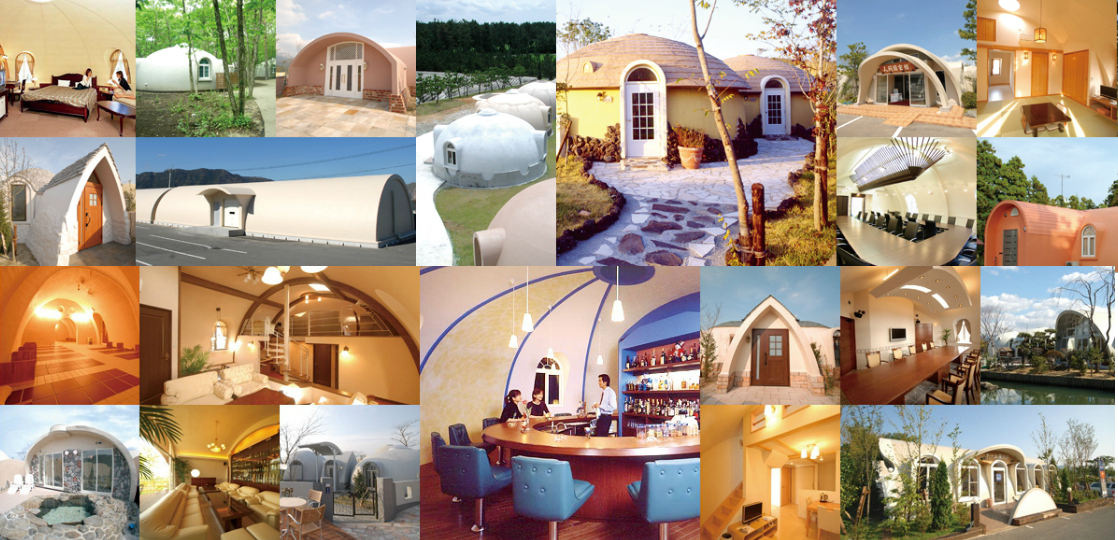
While Japanese builders have had more than a millennium of practice in designing earthquake-resistant structures, the dome house presents a new option—using an unlikely building material.
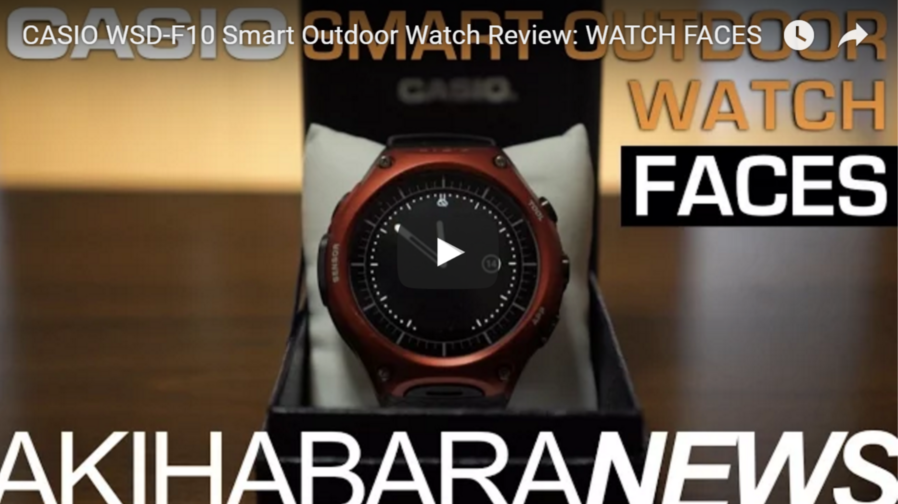
When it comes to standard digital watches, Casio stands out above all others in features, reliability, and accuracy. So when it announced its WSD-F10 Android Wear-powered Smart Outdoor Watch, everyone, including smartwatch skeptics, perked up.
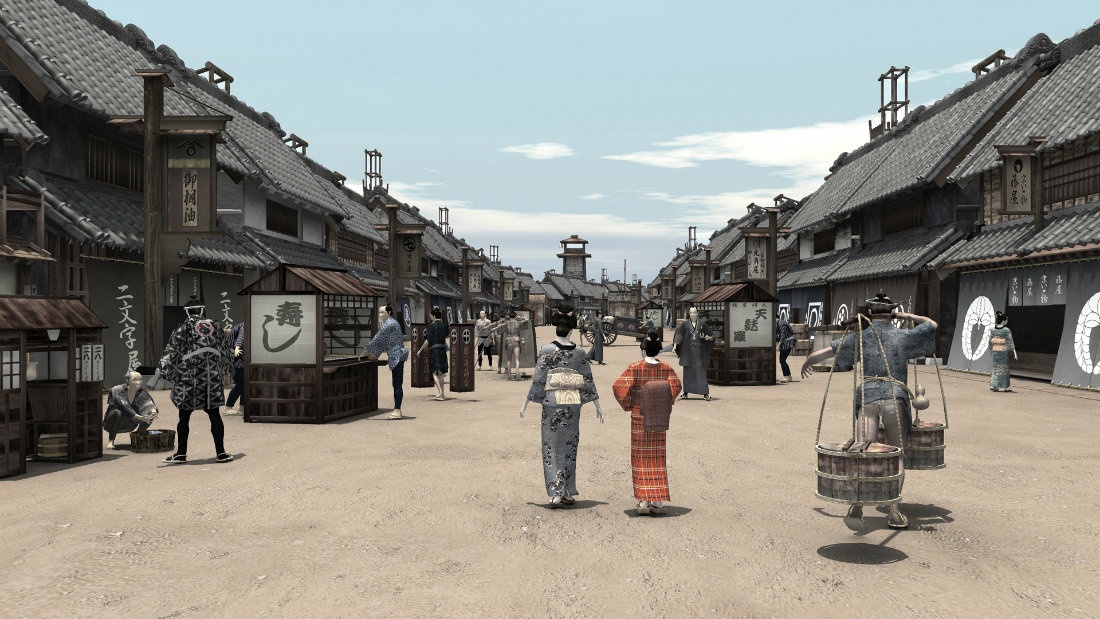
For anyone who has ever dreamed of traveling back in time to the Edo Period (1603-1868), you might want to start investing in some virtual reality software and gear!
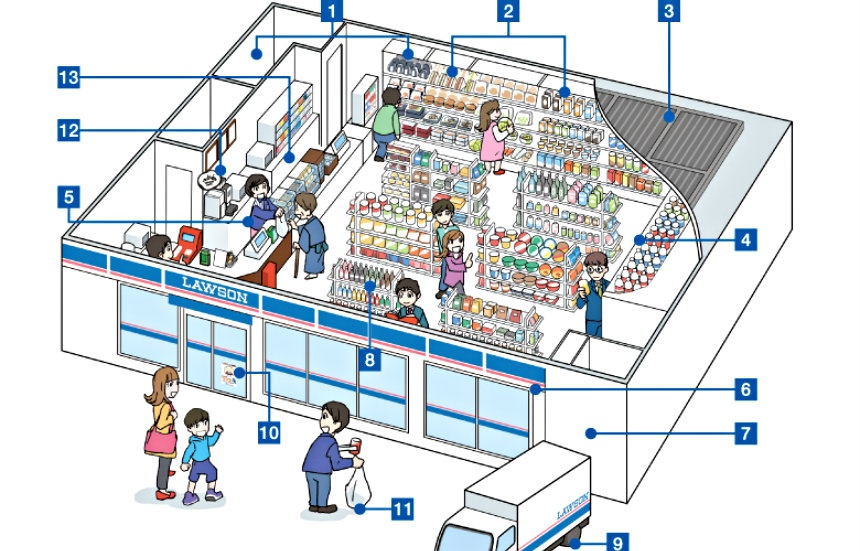
Lawson offers round-the-clock convenience while working to fulfill its duty to the environment and community.

Why exhaust yourself blowing on your noodles to cool down your soup when you can build your own girlfriend to do it for you?

During your stay you may come in contact with these seven gadgets that help make life in Japan a little bit easier. But as soon as you leave, you'll be wishing you had one at home, too!


