Exploring Traditional Japanese Elegance Through Seiko Presage
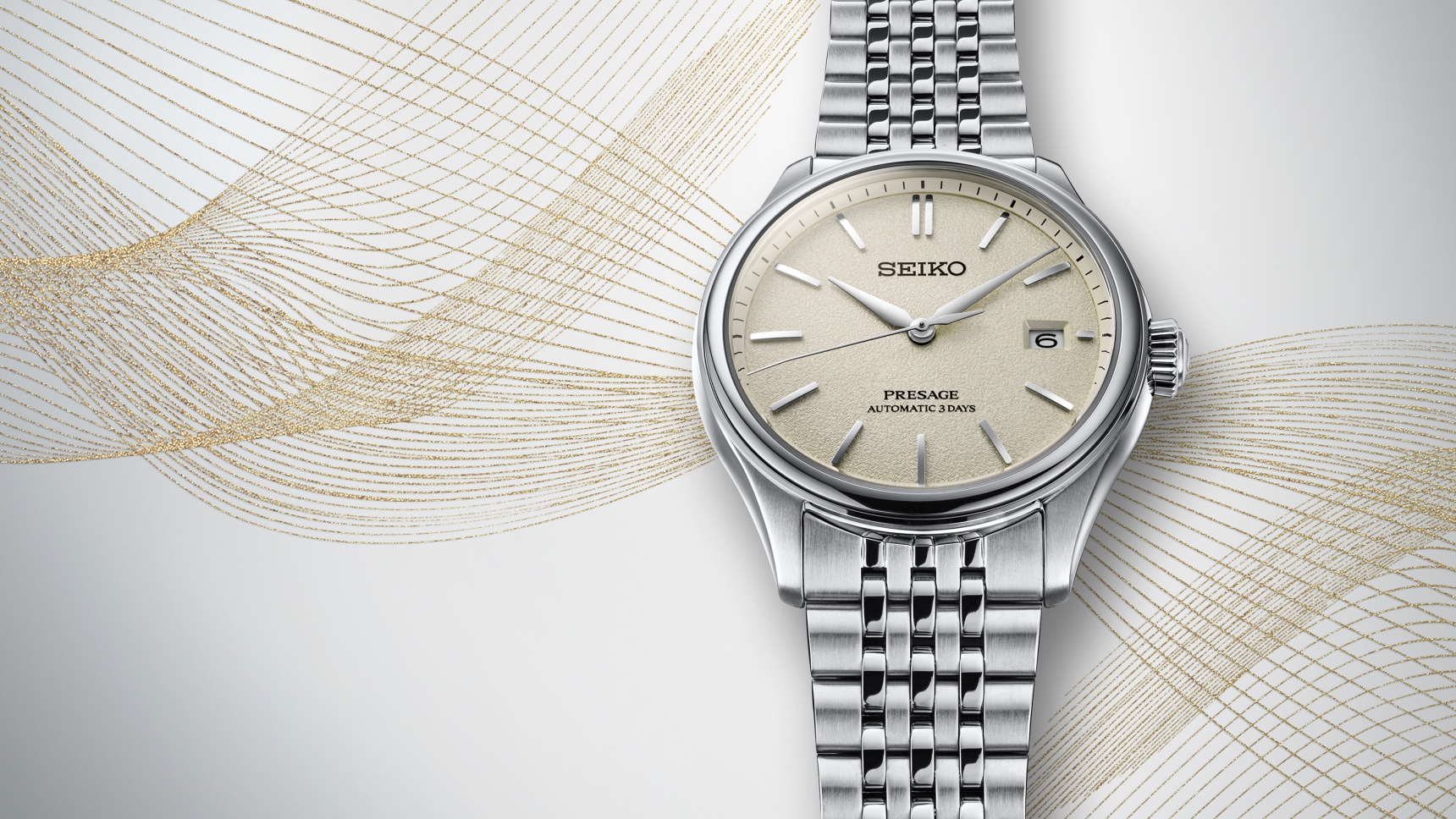
The Seiko Presage Classic Series incorporates traditional Japanese aesthetics in its colors and materials, realizing meticulously crafted mechanical timepieces.
A journey that links the bustling heart of Tokyo with a small community on the city’s mountainous western fringe reveals the story of a pioneering watch company and the traditional artisanship that helped inspire one of its latest collections.
By AAJ Editorial TeamExperience Seiko’s History: From Ginza to the World
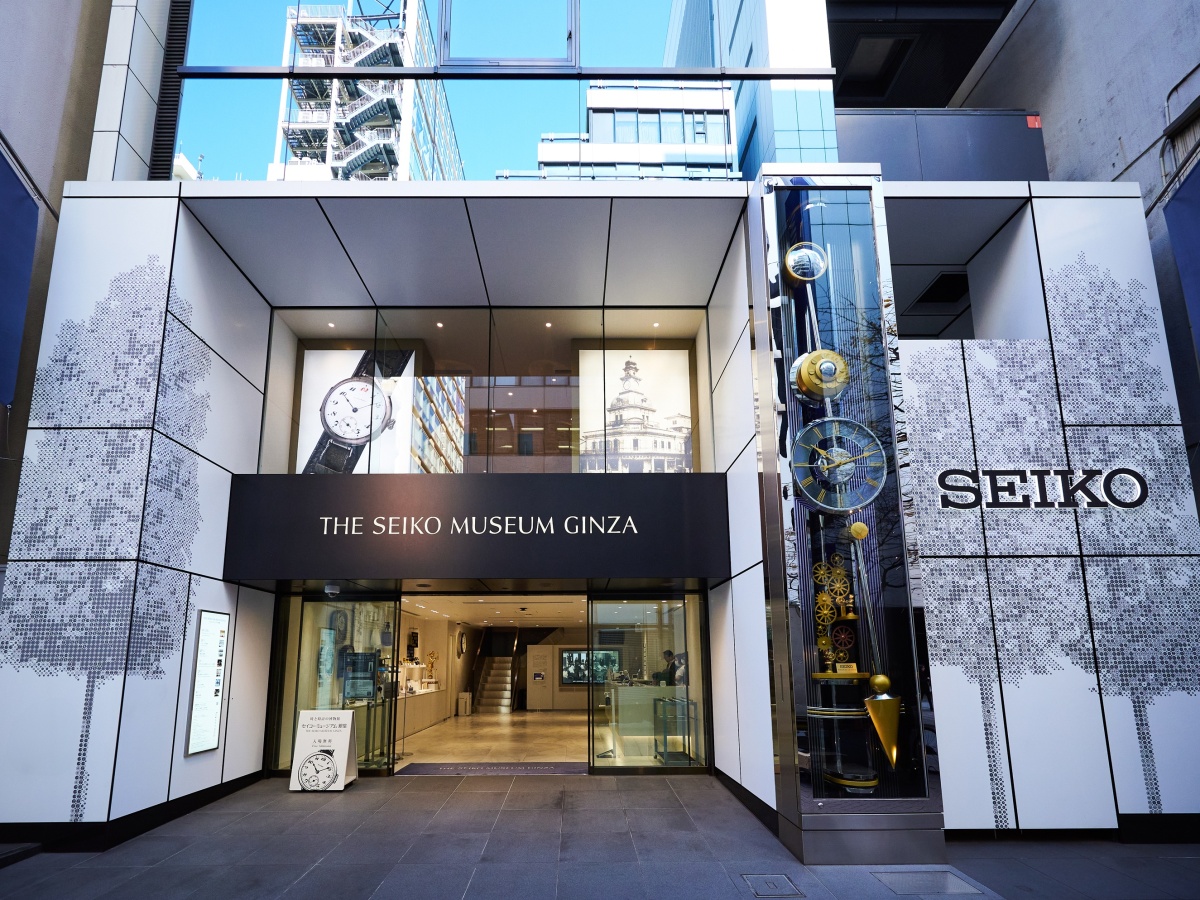
The Seiko Museum Ginza is open 10.30 – 18.00 every day except Mondays. Entrance is free though reservations are recommended.
The central Tokyo district of Ginza is synonymous with cosmopolitan sophistication. It is also the birthplace of Seiko—and still home to the storied watch manufacturer’s flagship store, and the Seiko Museum Ginza.
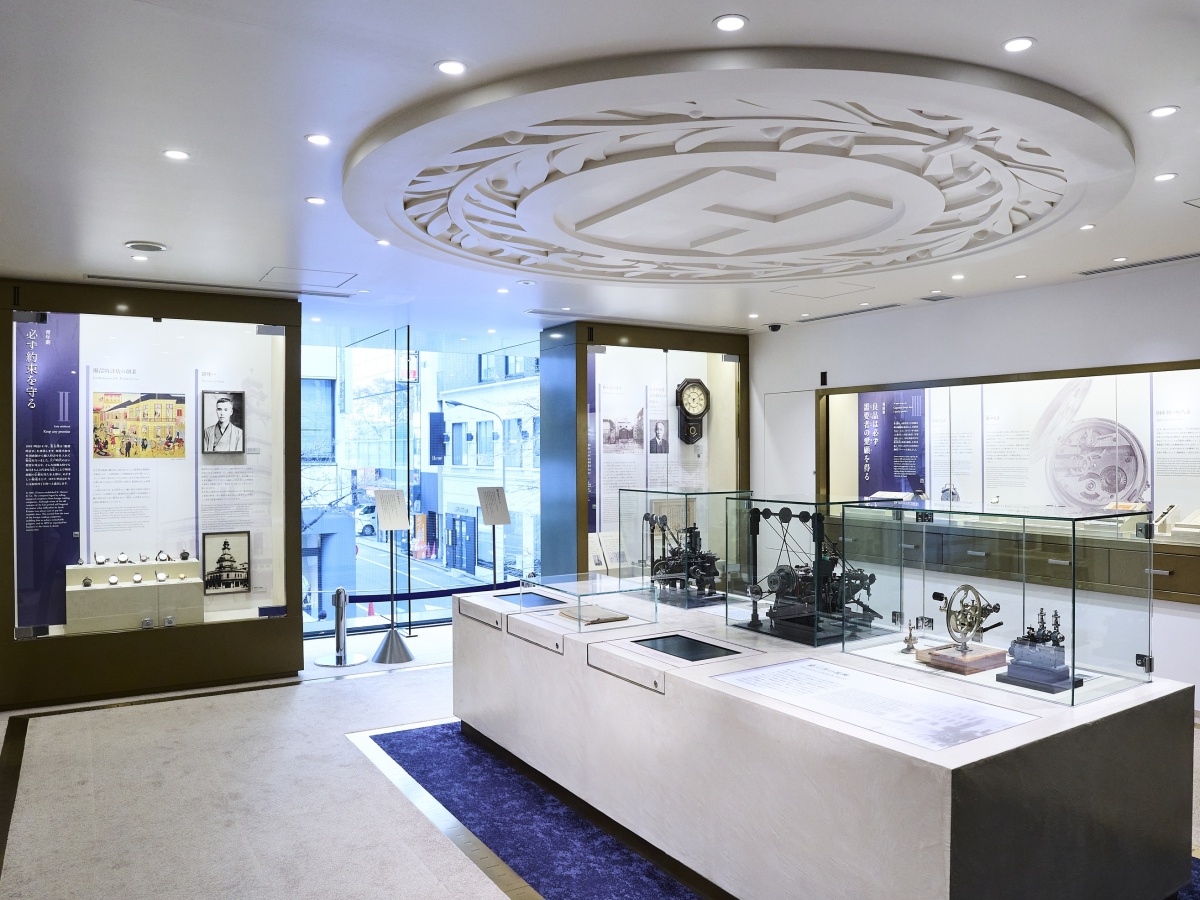
Each floor is organized along a theme, illustrating the history of Seiko, its products, and watch development around the world.
From Seiko’s origins as a clock and watch retail and repair shop founded in 1877 by 17-year-old Kintaro Hattori, to the establishment of the company in 1881 and the opening of its own factory in 1892, the brand has been at the forefront of Japanese horology. Its innovations include the world’s first quartz wristwatch in 1969, a milestone that transformed timekeeping worldwide
Spread across six floors, the museum chronicles Seiko’s history alongside the broader evolution of horology and the shifting role of timekeeping and timepieces in Japanese society. The philosophy of Seiko’s founder, Kintaro Hattori, to be always one step ahead of the rest” still defines the brand today, and reflects a mindset of constant innovation.
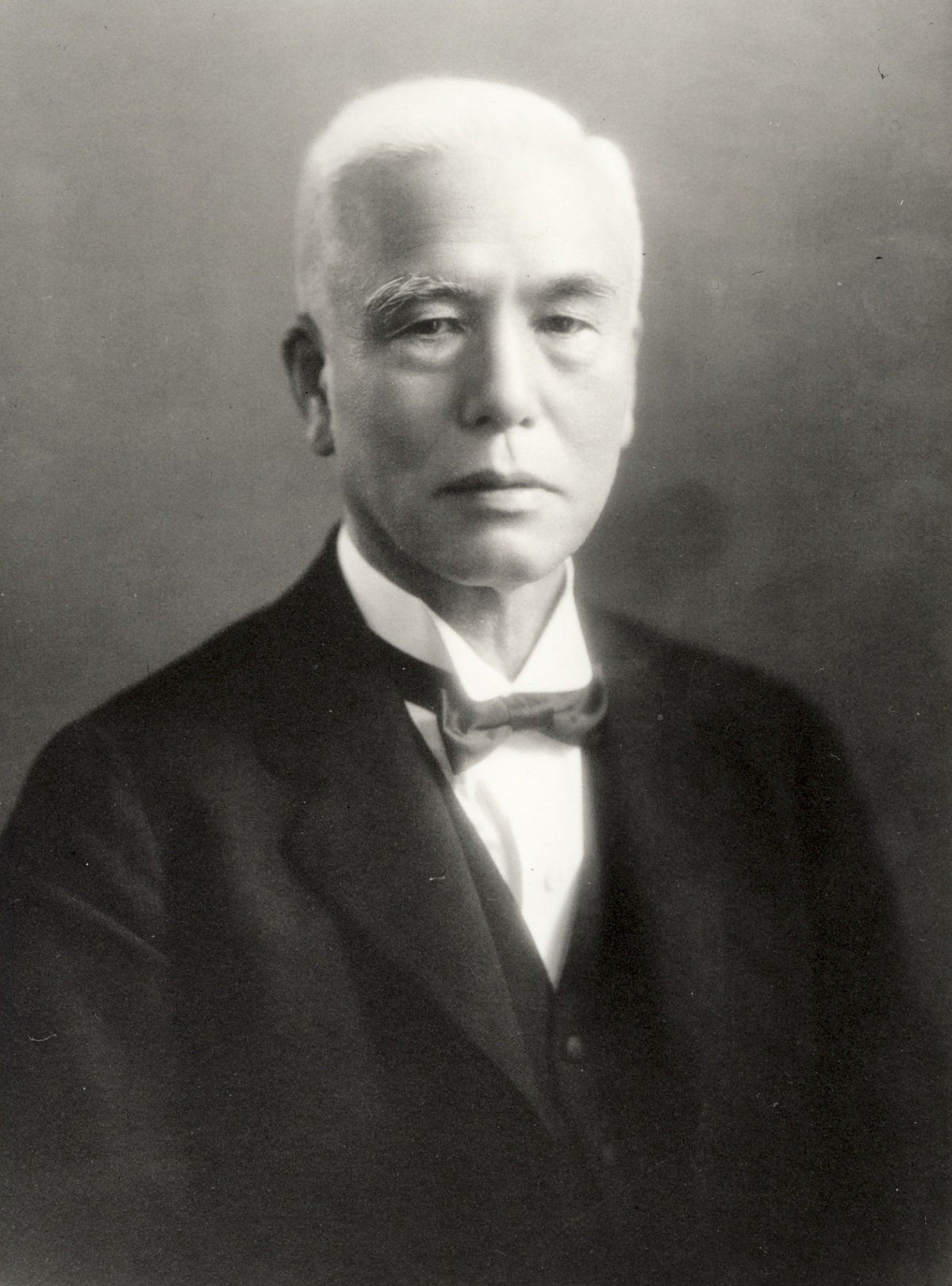
Seiko founder Kintaro Hattori (1860 – 1934) shaped watchmaking in Japan and across the globe.
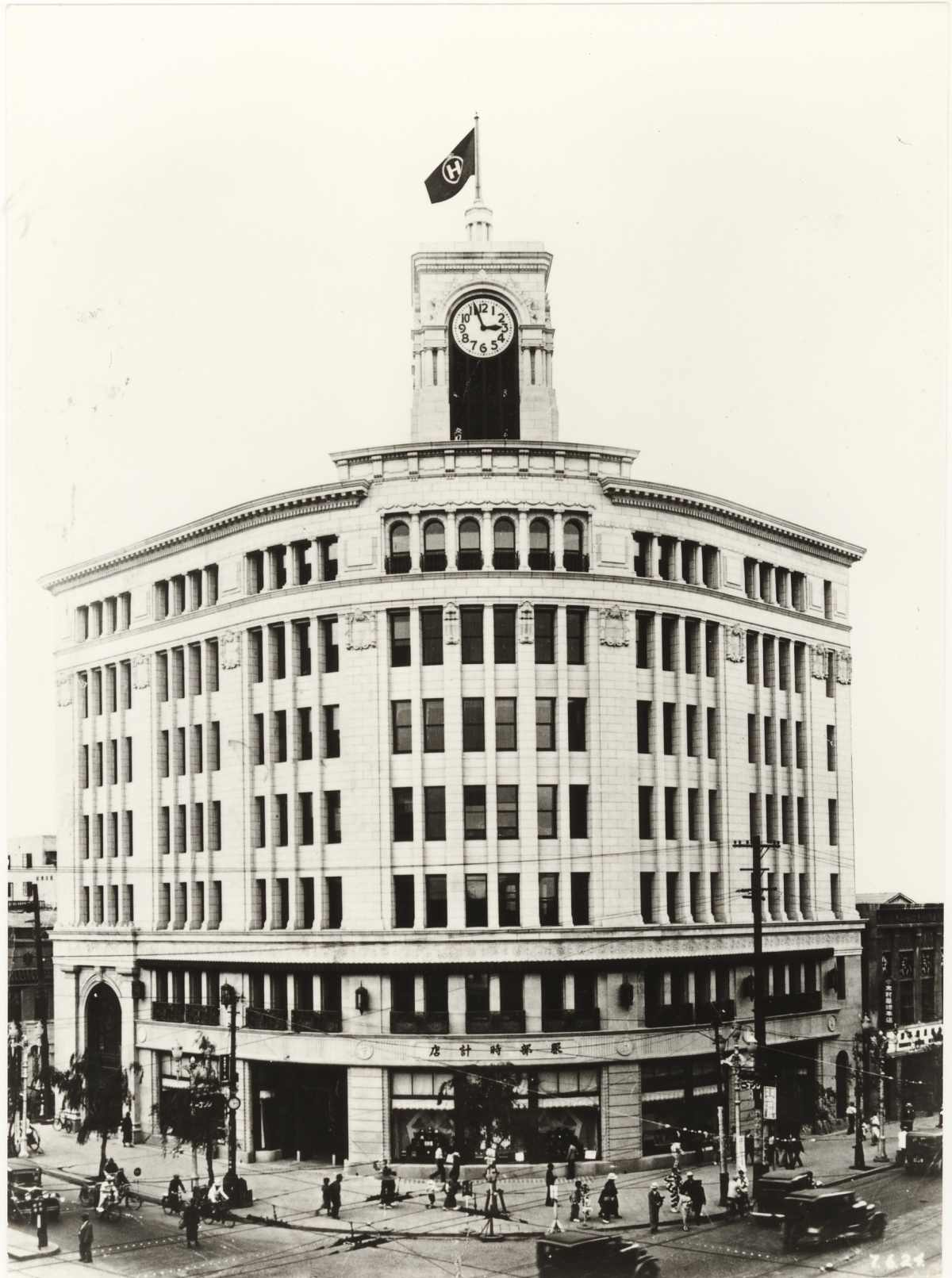
Seiko House, with its distinctive clock tower, has long been a landmark of the Ginza district.
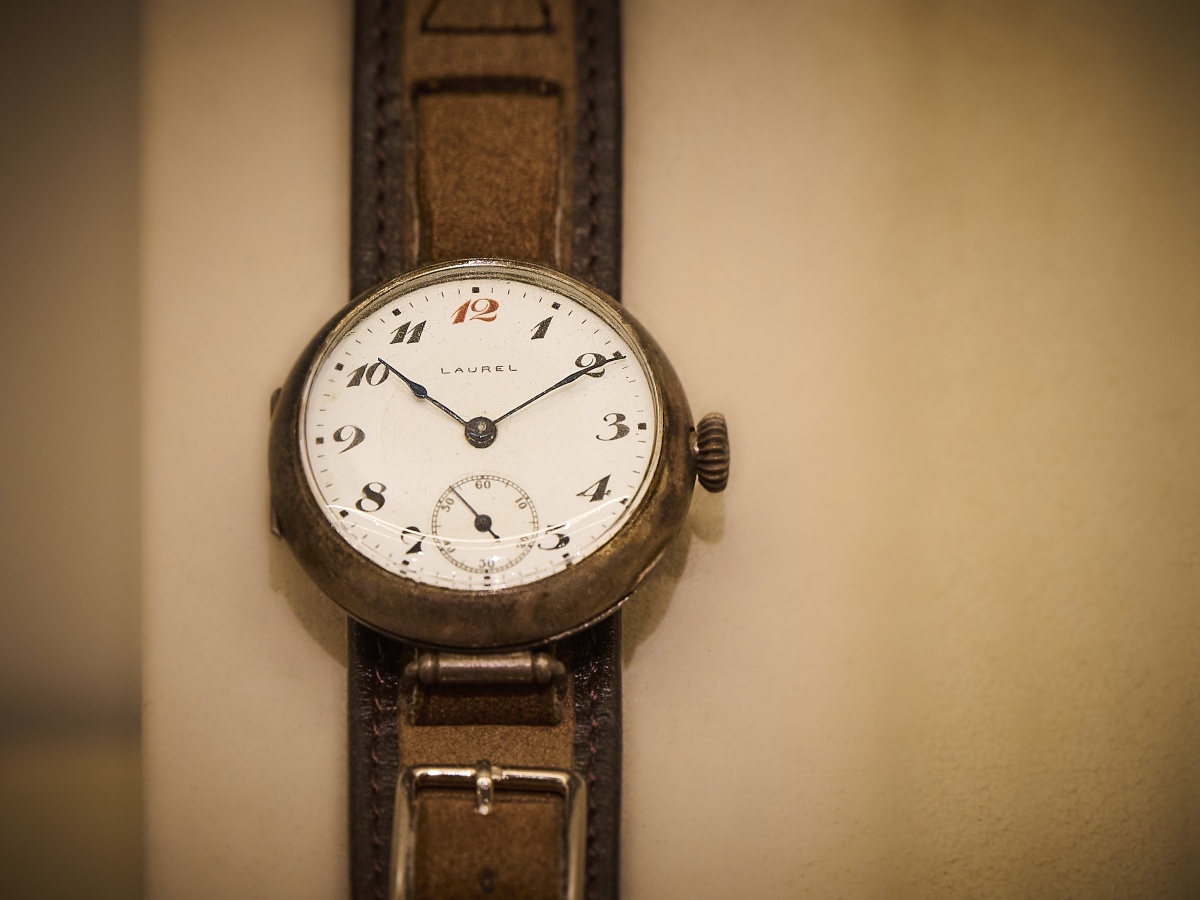
Seiko’s ‘Laurel’ was the first Japanese wristwatch and has been designated as a Mechanical Engineering Heritage item by the Japan Society of Mechanical Engineers.
With some 650 pieces chosen for display from a collection of approximately 20,000 items, the museum draws visitors from across the globe. One section that particularly fascinates tourists traces Japan’s late-19th-century shift from a seasonal time system—with no fixed hour unit—to modern timekeeping. In contrast to the country’s current reputation for punctuality, people in Japan at the time were known for being far more relaxed about time.
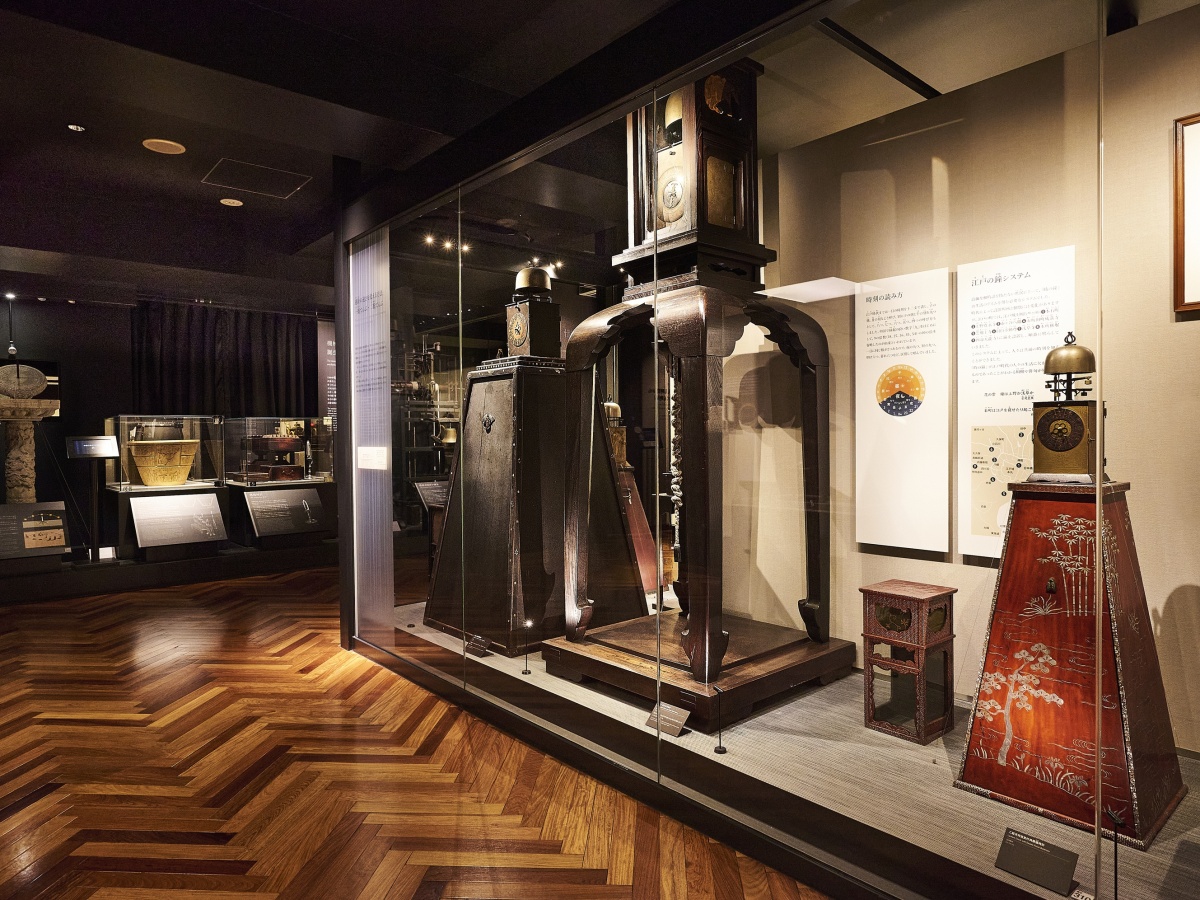
Wadokei clocks were used before the fixed time system was introduced to Japan.
Explanatory tours in English and Mandarin are accessible via QR code at the museum, which offers priority entrance to those with reservations.
Aizome: Japanese Artisanship Steeped in Centuries of Tradition

Textile dyed with indigo produces distinctive shades of blue.
Drawing inspiration from the colors, materials, and textures of traditional Japanese crafts, Seiko’s Presage Classic Series blends this heritage with the brand’s unending pursuit of watchmaking excellence. Among those hues featured in Presage watch dials is indigo blue—known internationally as Japan Blue, for its deep cultural association with the country.
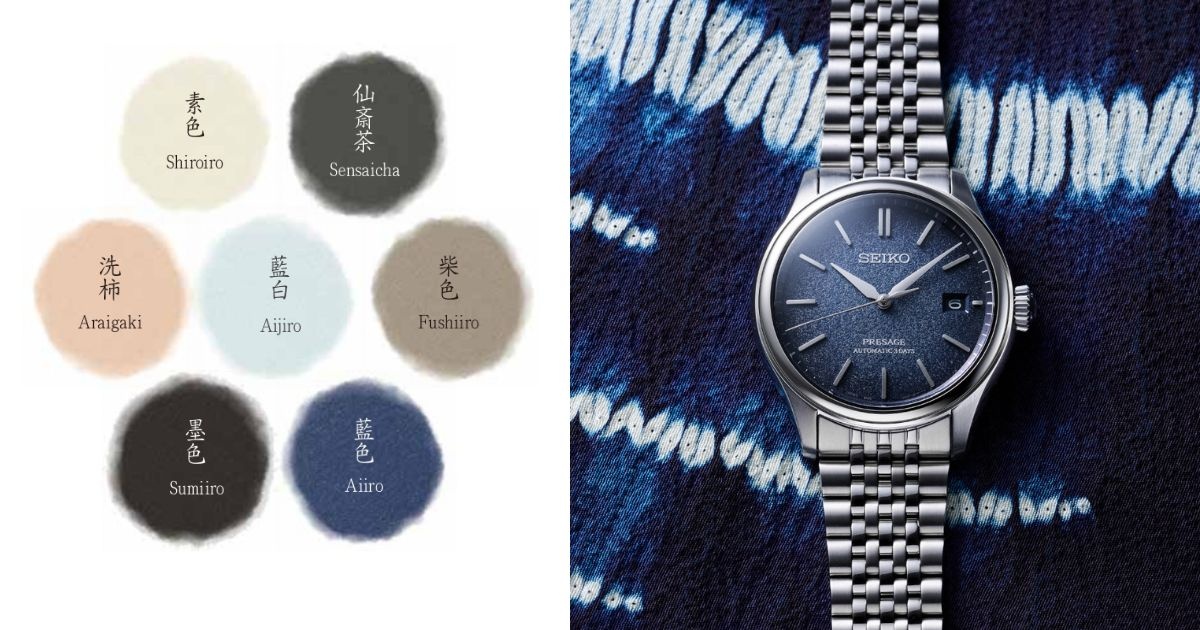
The Presage series features numerous traditional Japanese colors on its dials, including “Shiroiro” (the color of unbleached natural silk) and “Aiiro” (indigo blue), a deep blue symbolizing Japan.
Traditional indigo dyeing methods, or aizome, have remained largely unchanged for centuries and are still employed in workshops across Japan. In Ome City, on Tokyo’s far western edge, visitors can experience aizome firsthand at Kosoen. Using indigo leaves from Tokushima prefecture—Japan’s premier production region—Kosoen ferments its dye in large vats, a months-long process requiring continual, intricate adjustments by Kosoen’s master craftsmen.

Dyeing cloth with indigo at Kosoen in Ome City.
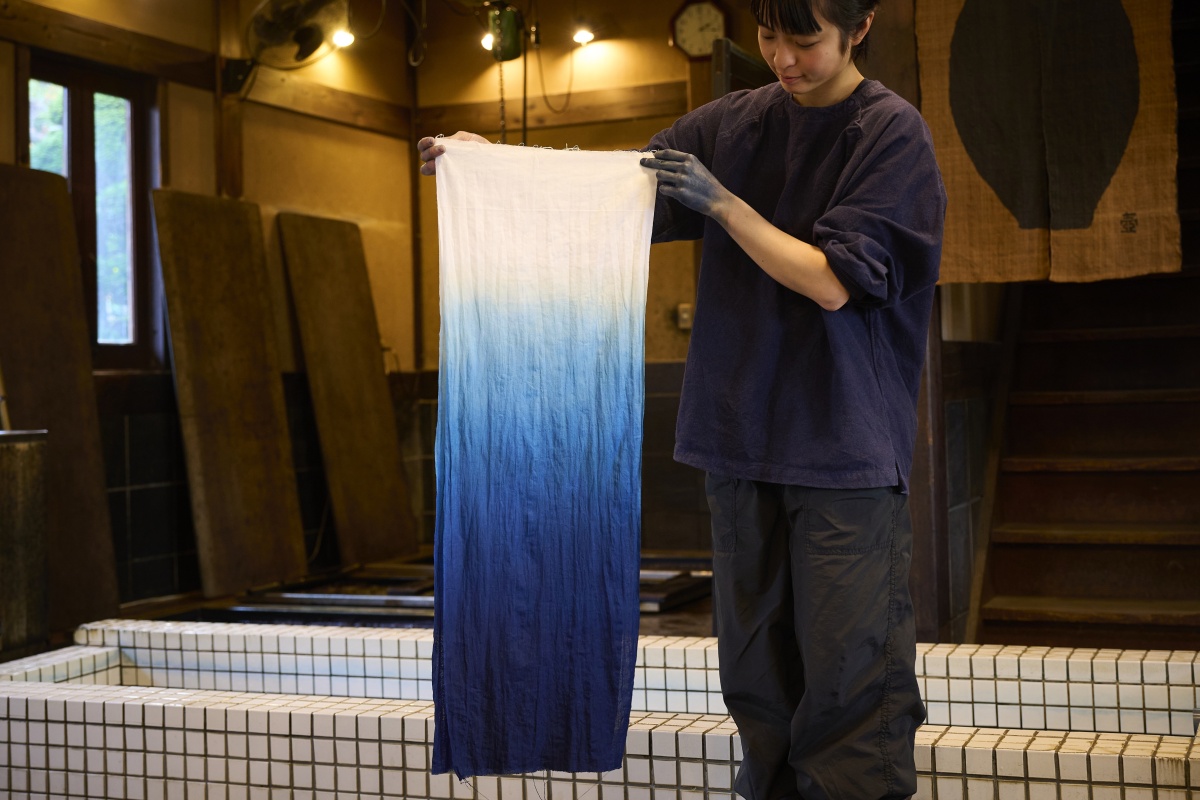
Visitors can experience the aizome dyeing method themselves at Kosoen.
“When Japan’s shogun rulers banned commoners from wearing silk, cloth dyed with indigo became a way for people to express extravagance during the peaceful Edo Period,” recounts Noriyuki Murata, Kosoen’s lead craftsman. “As people discovered that indigo is durable, colorfast, insect-repellent, and antibacterial, it became popular across Japan.”
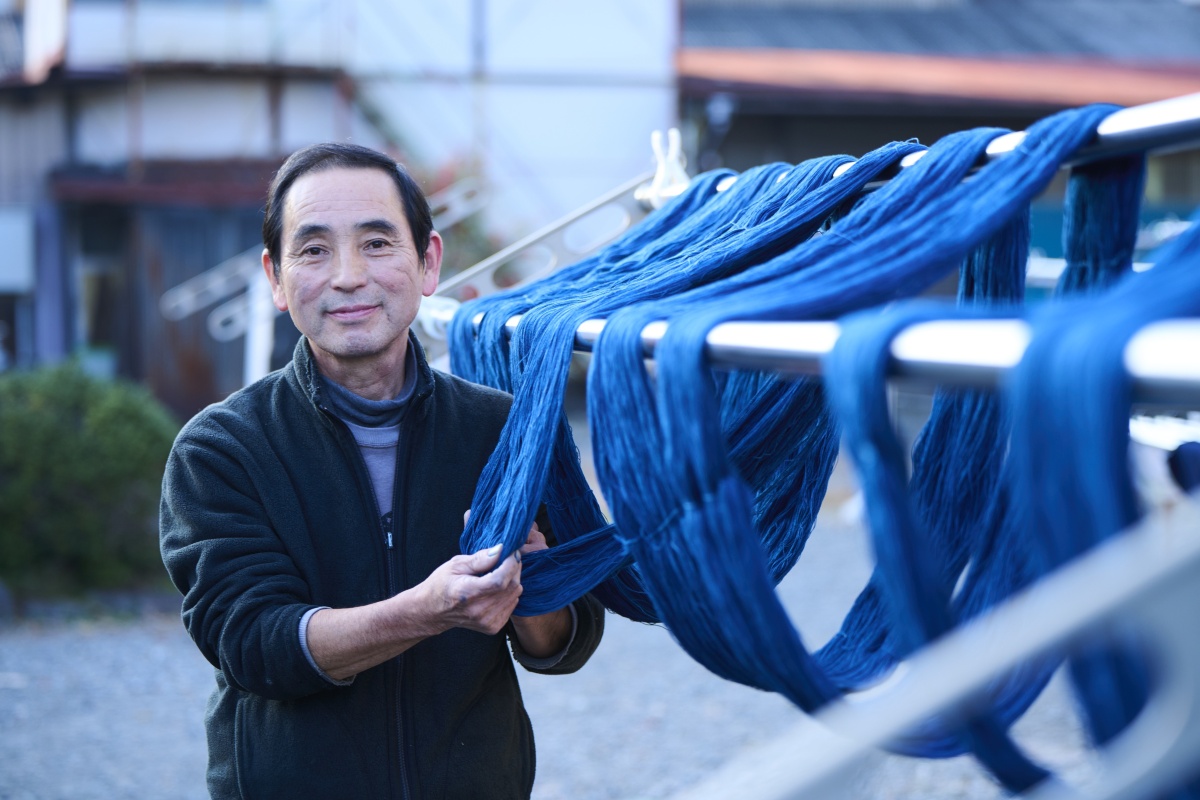
Noriyuki Murata with cloth drying naturally outside the workshop.
While many dyeing workshops focus on kimono fabric, Kosoen collaborates with modern apparel makers to create a wide range of garments in the alluring deep shades of indigo. Foregoing chemical use throughout its processes, Kosoen’s dedication to traditional methods has drawn indigo dyers from 30 countries seeking to learn from its artistry, according to Murata.
Indigo dyeing, which relies on natural materials, is labor-intensive and time-consuming, yet the depths of the resultant color is strikingly different from that of chemically dyed fabrics. This spirit of devoted dedication to Japanese tradition while simultaneously seeking new innovations can be found behind the Seiko Presage series of watches.
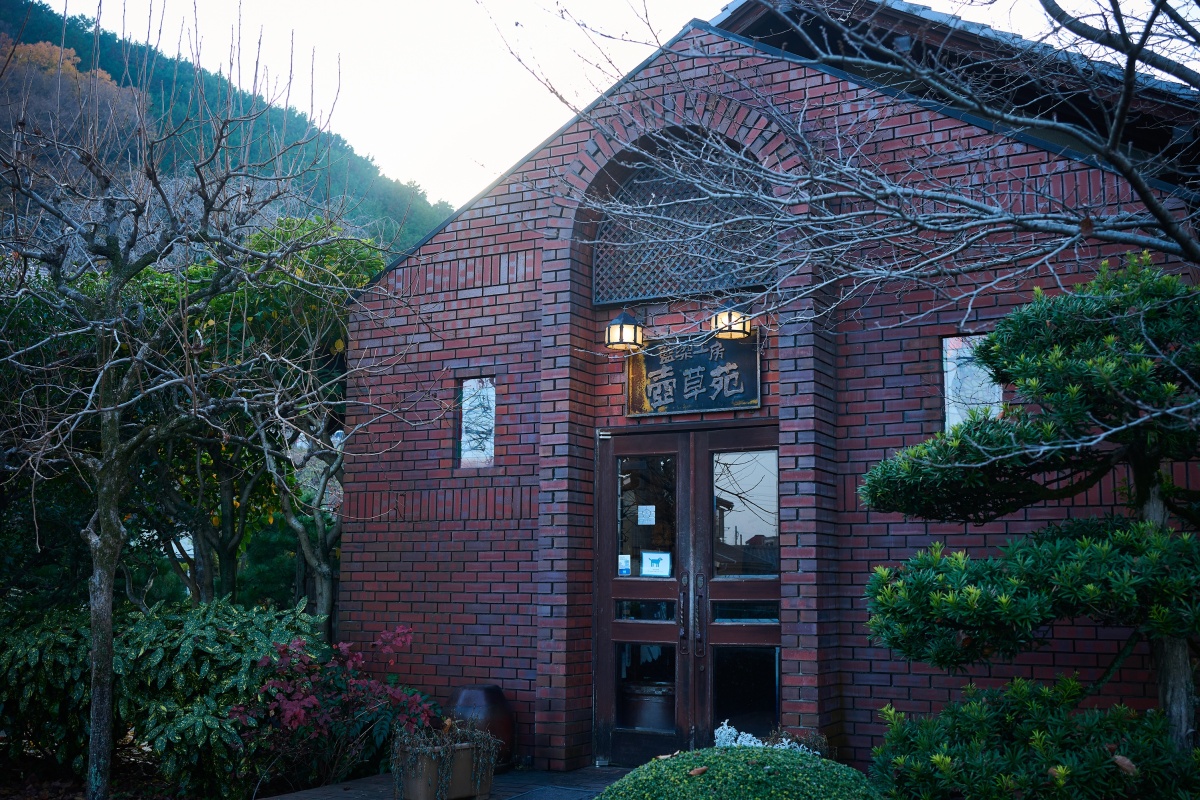
The shop at Kosoen offers a wide range of high-quality apparel.
Visitors wishing to try dyeing indigo should contact Kosoen in advance.
Presage Classic Series: Seiko Excellence with Japanese Beauty
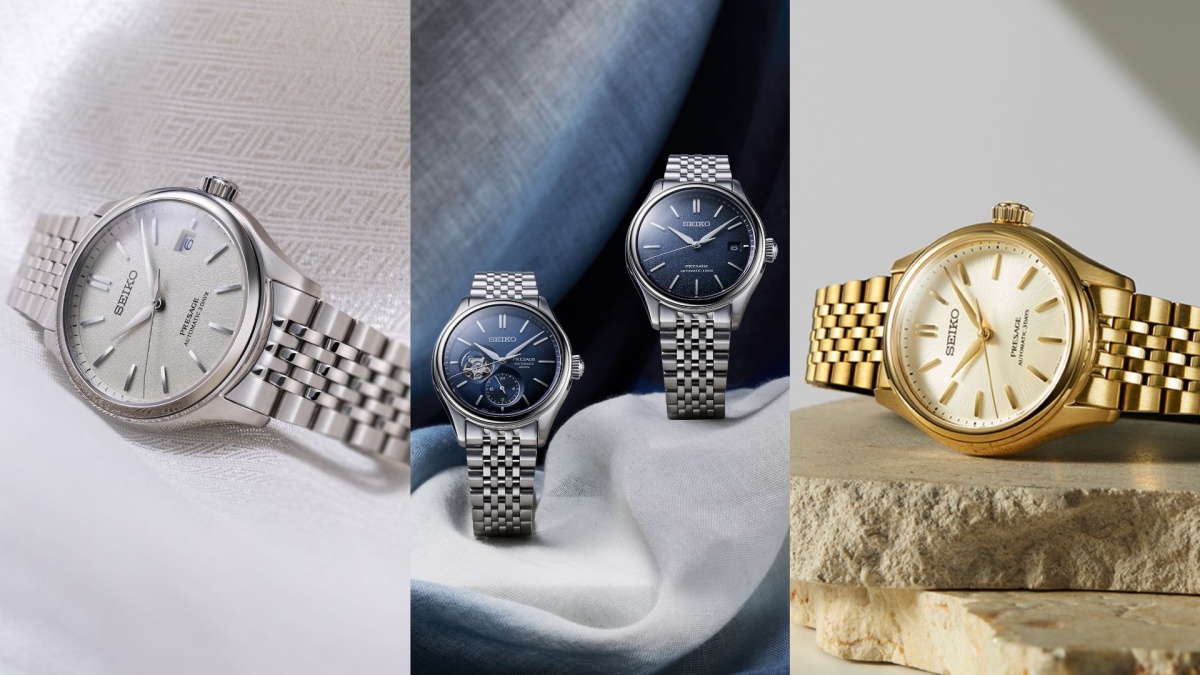
Variations of the Seiko Presage Classic Series. From left: SARX121, SARJ011, SARX133, SARX132.
Less than a handful of the world’s major watch companies qualify as true “manufactures”—meaning all timepiece components are created in-house. Seiko is one of them; a hallmark of genuine made-in-Japan quality.
The Presage Classic Series unites more than a century of Seiko horological innovation with Japanese functional and traditional beauty. The curved dial features rich, natural textures embodying Japan’s centuries-old crafts, subtly reflecting light, and is paired with hands that blend easily with the contoured shape. Ergonomic bracelet links provide both comfort and style.
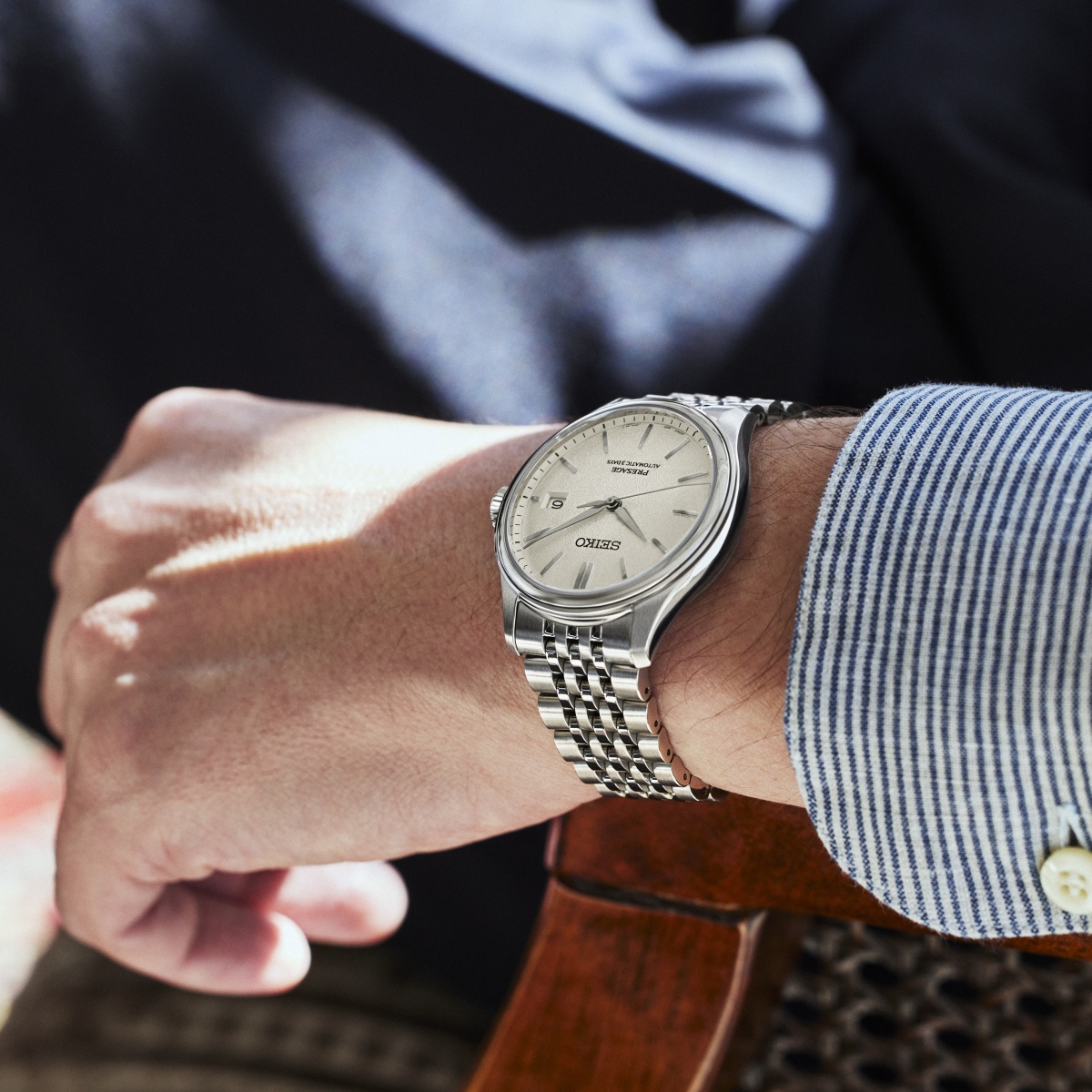
SARX121

SARX132
Mechanical watches use springs as the power source, eliminating the need for electricity. Inside, the movements of Presage mechanical watches rely on three proprietary Seiko technologies known collectively as Trimatic. Seiko developed the high-performance alloy Spron for the mainspring and hairspring, ensuring durability and corrosion resistance. The Magic Lever system efficiently winds the mainspring with a dual action that is in perpetual contact with the transmission wheel. Diashock, the final component of the Trimatic puzzle, ensures shock resistance in the crucial balance wheel pivot, even against sudden stressors.
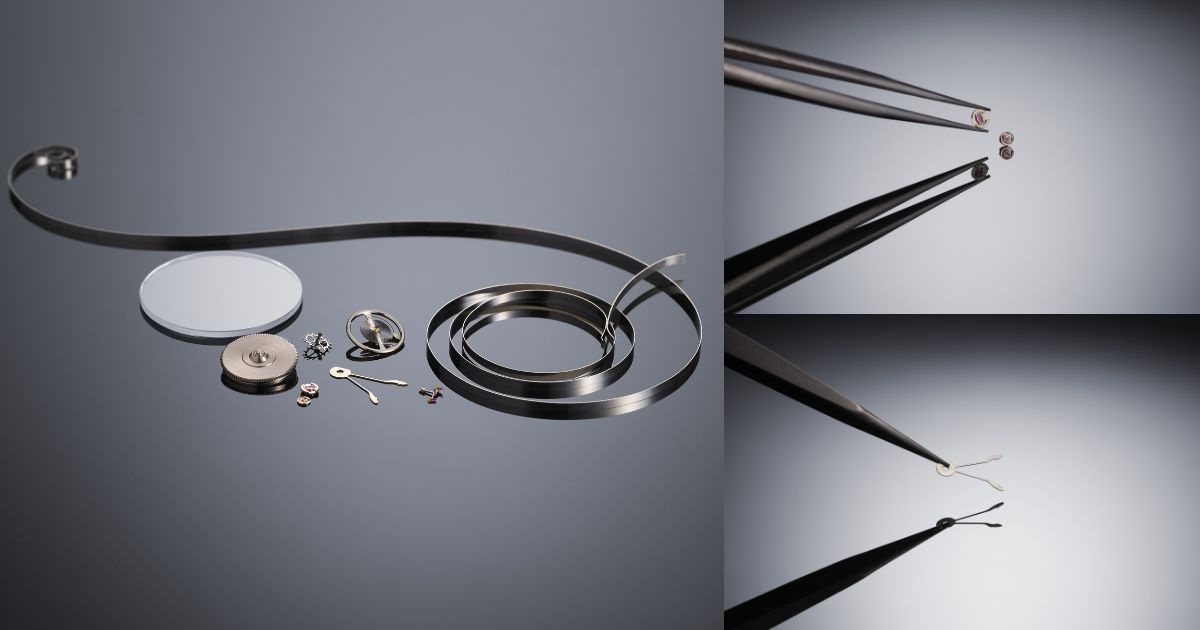
Trimatic refers to three proprietary technologies developed by Seiko: Spron (left), Diashock (top right), the Magic Lever (bottom right).
Throughout its history, Seiko has introduced a series of firsts in Japanese timepieces—including the first wristwatch, first diver’s watch, first quartz watch, and first wristwatch with a stopwatch function. Its unwavering commitment to innovation, precision, and design ensures that behind every Seiko timepiece is a guarantee of uncompromising quality. A watch from the Presage Classic Series makes an ideal memento of a trip to Japan—or a refined gift for a discerning individual.
DATA
Brand: Seiko Presage Classic Series
Price range: ¥132,000~ (tax included)
Classic Series Website:
https://www.seikowatches.com/global-en/products/presage
Presage Museum Website:
https://www.seikowatches.com/global-en/products/presage/special/thepresagemuseum/
SARX121(SPB463):
https://www.seikowatches.com/global-en/products/presage/spb463j1
SARJ011(SPB527):
https://www.seikowatches.com/global-en/products/presage/spb527j1
SARX133(SPB525):
https://www.seikowatches.com/global-en/products/presage/spb525j1
SARX132(SPB524):
https://www.seikowatches.com/global-en/products/presage/spb524j1
Stores:
You can purchase Presage at any of the shops listed below.
https://www.seikowatches.com/global-en/stores/list?country=JP&collection=1a8a491b0a1a4f2781c8f9710c6ce098